













































































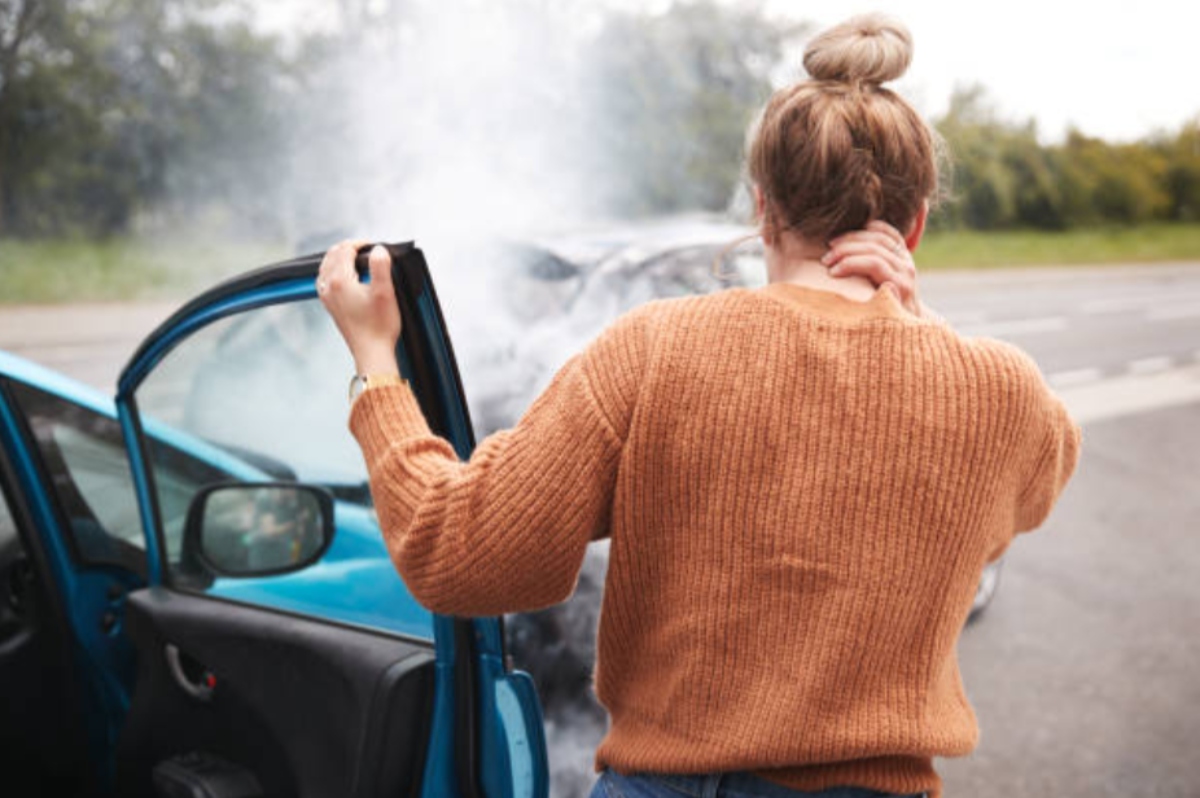
Evidence can prove fault in an Ohio car accident case by showing what happened, who acted negligently, how that conduct caused the collision, and what injuries or losses resulted. No single piece of evidence automatically determines fault. Instead, insurers and courts may consider crash reports, photographs, video, witnesses, vehicle damage, electronic records, medical documentation, and other evidence together.
After a car accident, the evidence trail can become important quickly. Preserving records and documenting what happened can help establish both responsibility and the losses that followed.
The Crash Report
An official Ohio traffic-crash report can provide an important starting point. It may record vehicle positions, roadway conditions, driver statements, contributing factors, citations, and an officer’s observations.
However, the report does not automatically decide civil liability. A citation or preliminary assessment can support a claim, but additional evidence may provide a different or more complete picture.
Photos and Videos
Photographs should capture both the overall scene and specific details. Useful images include:

- Vehicle damage and the apparent impact point
- Skid marks, debris, and fluid spills
- Traffic signals, signs, and lane markings
- Road conditions, construction, lighting, and visibility
- Injuries and damaged property
Dashcam footage, traffic cameras, business surveillance, red-light cameras, and cellphone videos can provide particularly useful evidence. They may show speed, lane position, timing, turns, stops, or whether a driver used a signal.
Witness Accounts
Independent witnesses can provide valuable information about what they saw. A witness may have observed which vehicle entered an intersection first, whether someone ran a light, changed lanes without signaling, followed too closely, or appeared distracted or impaired.
Record witness names and contact information as soon as possible. Memories can fade, and witnesses may become difficult to locate later.
Vehicle Damage and Physical Evidence
Damage patterns can help reconstruct a collision. Scrapes, dents, paint transfer, broken parts, tire marks, pavement gouges, and debris may reveal the point and direction of impact. Vehicles should be thoroughly documented before repairs or alterations when their condition may be important evidence.
Traffic Violations and Electronic Data
Evidence of speeding, failure to yield, unsafe lane changes, following too closely, distracted driving, or impaired driving may support a negligence claim. The violation still needs to be connected to the collision or resulting injury.
Electronic evidence can strengthen or challenge those allegations. Depending on availability and lawful access, relevant information may include:
- Event-data-recorder information
- GPS and vehicle telematics
- Dashcam files
- Cellphone records
- Traffic-light timing
- Navigation or app-use records
Medical Records and Statements
Medical records help connect injuries to the crash and document their severity. Emergency-room records, imaging, physician notes, therapy records, and prognosis reports may become important, particularly when someone argues that an injury was pre-existing.
Accounts given to police, insurers, medical providers, or witnesses can later be compared for consistency. Avoid guessing about speed, distance, or timing when you do not know the answer.
Duties After a Crash
Ohio law also imposes duties on drivers involved in certain crashes. Ohio Revised Code § 4549.02 addresses requirements including stopping at the scene and providing identifying information. Evidence concerning whether a driver remained at the scene or exchanged required information can become relevant in appropriate cases.
Proving the Full Loss
Evidence should establish damages as well as fault. Keep:
- Medical bills and treatment records
- Wage and employment records
- Vehicle repair estimates
- Rental-car receipts
- Rehabilitation and prescription expenses
- Records showing changes to daily activities
Final Takeaways
- Crash reports provide an important starting point.
- Photos and video can show what happened.
- Independent witnesses may strengthen conflicting accounts.
- Vehicle damage can help reconstruct the collision.
- Electronic records may reveal driver conduct.
- Medical records connect injuries to the crash.
- Comparative fault makes evidence about every party important.