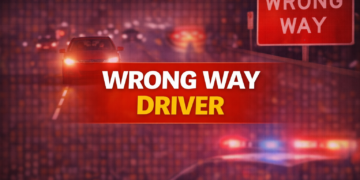

































Early-morning motorists got a scare when police were called out to a vehicle stopped on the side of the road and facing the wrong way.
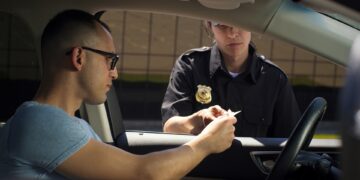
Just after 3:30 a.m., officers responded to U.S. 52 near State Route 334 after witnesses reported a car sitting along the roadway that appeared to have been traveling east in the westbound lane. When officers made contact with the driver, it quickly became clear something was wrong.
Police say the elderly man was extremely confused and could not identify what city he was in. During the encounter, officers learned the driver is diabetic and has suffered multiple strokes in the past.
Medical Check — But No Grounds to Force Care
Portsmouth Fire Department medics were called to assess the situation. According to the report, the man had elevated blood pressure and blood sugar levels, but nothing that met the legal threshold to force him to the hospital against his will.
That’s an important detail many people don’t realize:
Even when officers believe someone may be impaired, they cannot force medical transport unless the person poses an immediate danger to themselves or others, or is legally unable to refuse care.
In this case, the driver refused hospital transport.
A Temporary Solution
Officers strongly advised the man not to continue driving in the dark. He agreed, acknowledging it was the safest option. Police offered to take him to a hotel for the night, but he declined.
Instead, the man agreed to wait until daylight at the State Route 140 park-and-ride before continuing his trip to Gallipolis.
Why Officers Sometimes Can’t “Just Take the Keys”
Situations like this highlight the fine line police walk every day. Confusion alone — even serious confusion — does not automatically give officers the authority to detain someone or force medical care. Without clear legal grounds, officers must rely on persuasion, cooperation, and safety planning.
In this case, officers did exactly that:
They assessed the risk, brought in medical professionals, and worked out a plan that reduced danger to the driver and everyone else on the road.
Sometimes, the safest outcome isn’t an arrest — it’s getting someone to stop, breathe, and wait for daylight.