










































































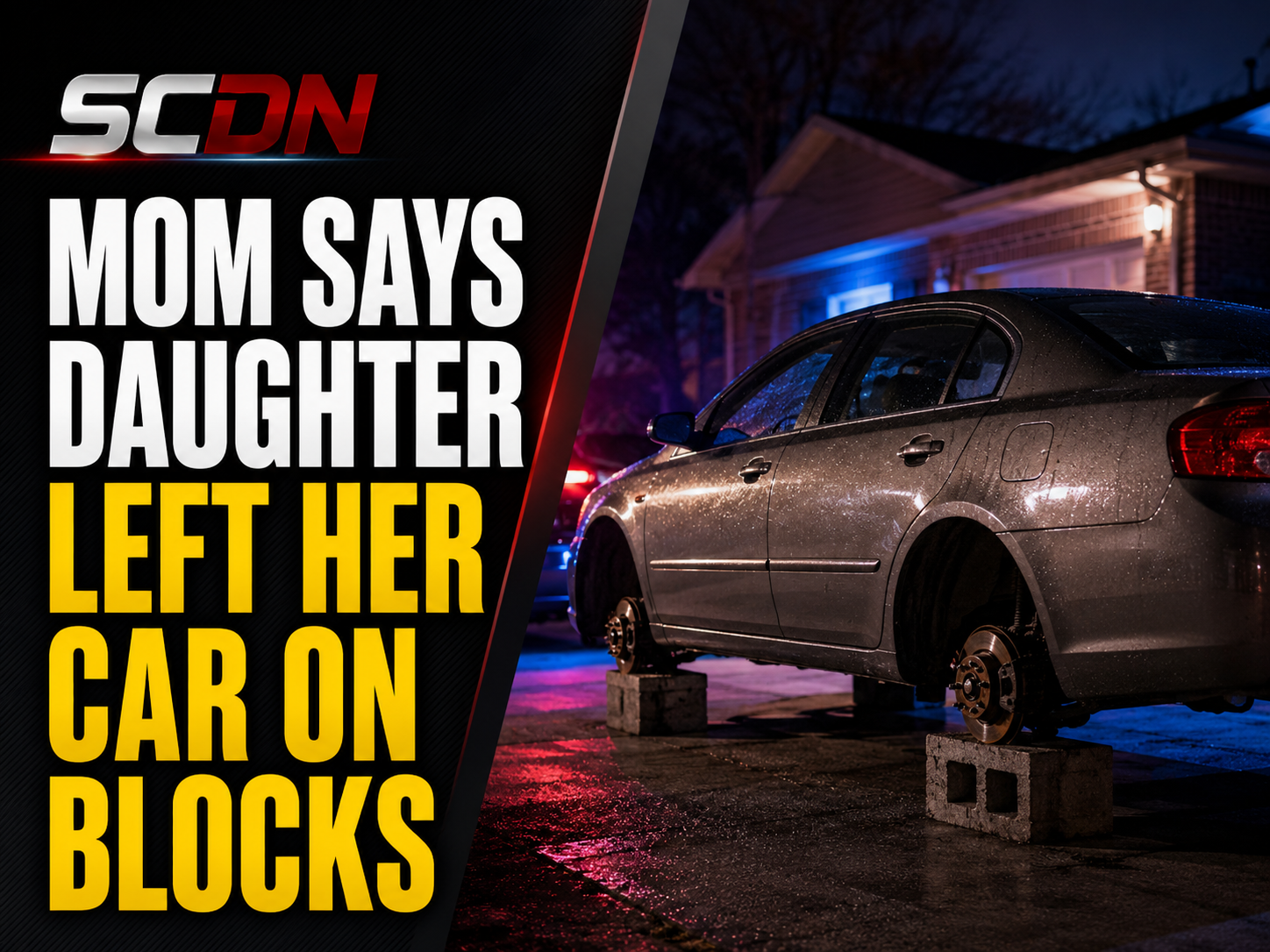
A family dispute over cellphone location sharing and a borrowed vehicle took an expensive turn when a woman woke up to learn her car had been abandoned on blocks with all four wheels missing.
The vehicle owner contacted deputies after receiving a call from the Ohio State Highway Patrol advising that her Subaru had been found disabled along a township roadway.
According to the complaint, the car was sitting on cinder blocks and missing all four tires and wheels.
The owner told deputies she believed the incident stemmed from an ongoing disagreement with her adult daughter, who had been borrowing the vehicle while her own truck was out of service.
According to the report, the owner had allowed her daughter to use the 2011 Subaru but wanted her daughter to keep cellphone location sharing enabled so she could know where the vehicle was located.
The dispute reportedly had been brewing for weeks.
The owner told deputies the two had repeatedly argued over the location-sharing arrangement and said she had text messages documenting the disagreement.
The incident occurred in South Point.
According to the report, the latest argument happened the night before the vehicle was discovered.
The owner told deputies her daughter demanded $300 for a set of tires she had previously purchased and installed on the vehicle. The daughter allegedly stated that if her mother wanted the car back, she would need to reimburse her for the expense.
Several hours later, the owner received word that the Subaru had been found abandoned and stripped of its wheels.
The owner believes the tires and wheels were intentionally removed as retaliation following the argument.
Deputies attempted to contact the daughter but were unable to make contact.
Investigators checked the property and did not observe the missing wheels or tires in plain view, though they noted there were buildings and storage areas on the property that could not be searched without further legal authority.
The case highlights the difference between a civil disagreement and a potential criminal offense.
Deputies explained that disputes involving who paid for vehicle repairs, tires, or maintenance are generally civil matters that must be resolved through the courts.
However, investigators noted that removing wheels from a vehicle and leaving it disabled—resulting in towing costs, storage fees, and additional expenses for the owner—could potentially rise to the level of a theft offense.
The investigation remains ongoing.
When Family Property Disputes Become Criminal Matters
Law enforcement frequently responds to disputes between family members involving borrowed vehicles, shared property, or unpaid expenses.
Many of those disagreements are considered civil matters, meaning police cannot determine who owes money to whom.

However, when property is intentionally taken, damaged, concealed, or rendered unusable, criminal laws may come into play.
In cases like this, investigators must determine whether the missing property was removed as part of a financial dispute—or whether a theft occurred.
For now, deputies say that determination remains under investigation.