






































































Just yesterday, we warned you about a Portsmouth woman who was told her daughter and granddaughter had been kidnapped — until the supposed kidnappers started asking for a Walmart gift card.
Now Scioto County Sheriff David Thoroughman says that wasn’t the only unusual scam making the rounds.
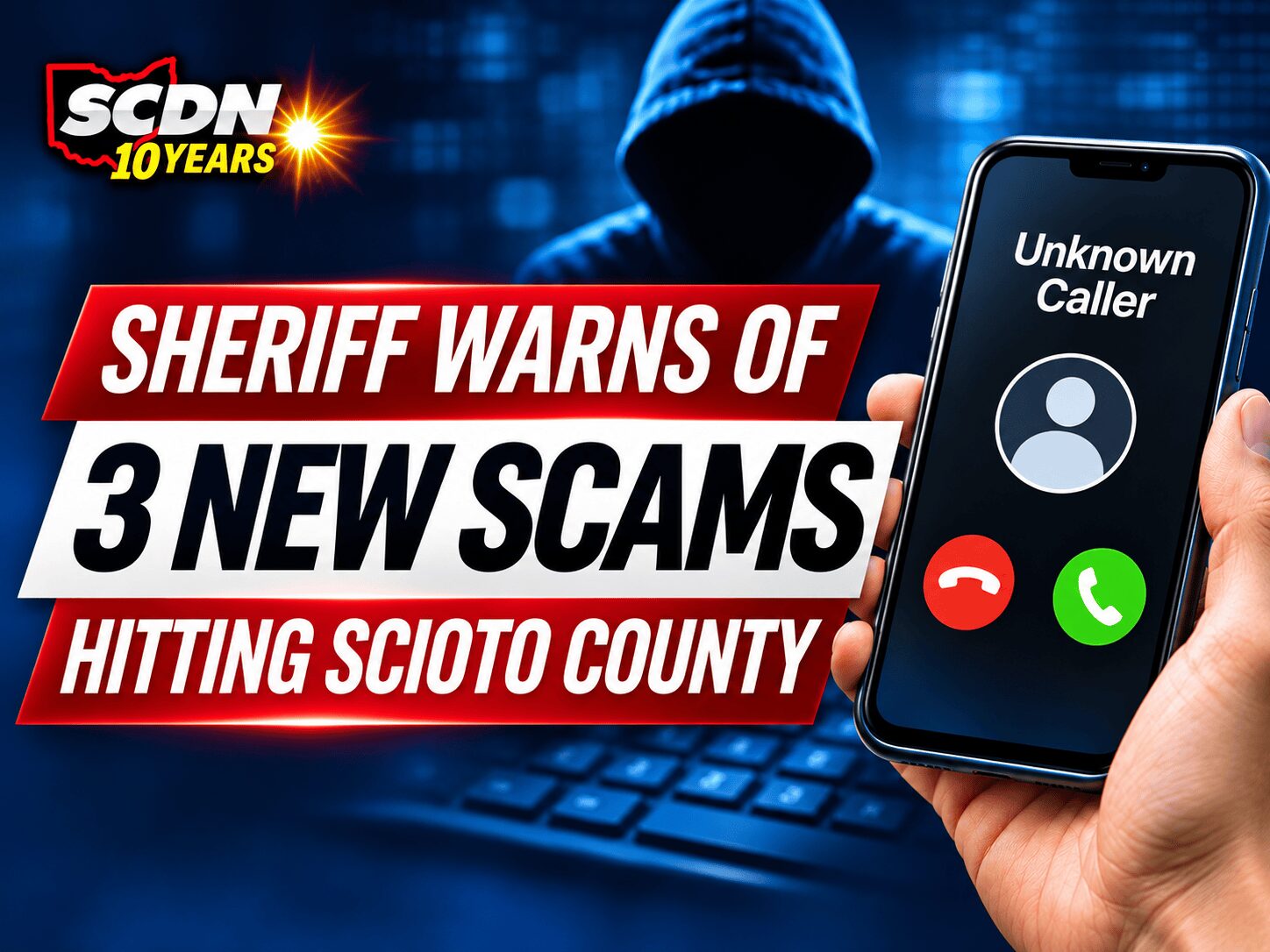
The Scioto County Sheriff’s Office says residents reported three different scam attempts in the county over the past week, including another fake kidnapping call, a phony rental inquiry and a caller pretending to be a paramedic.
“These differ from the typical scams we see,” the Sheriff’s Office warned in a social media post urging residents to share the information with family, friends and neighbors.
Another Fake Kidnapping
In one case, a father received a call claiming his daughter had witnessed a major drug deal and was going to be killed unless he paid money for her release.
The caller also told him not to contact law enforcement.
Fortunately, the father was able to reach his daughter directly.
She was perfectly fine.
The Sheriff’s Office pointed out one glaring problem with the story: if criminals had really kidnapped someone because she witnessed a drug deal, why would handing over money suddenly make it safe to let her go?
And telling someone not to call police is another major red flag.
The report comes just days after Portsmouth Police dealt with a similar scare.
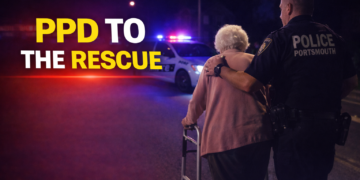
In that incident, a woman flagged down officers near Aldi while she was still talking to a man claiming he had kidnapped her daughter and granddaughter.
Police contacted law enforcement where the daughter lived to request a welfare check.
Then the supposed kidnapper asked for a Walmart gift card.
That’s when the whole thing began looking a lot less like a kidnapping and a lot more like a scam.
The Rental Application Scam
Another Scioto County resident was looking for a rental property when someone called claiming to represent a place the person had been considering.
The caller said more information was needed to complete the process.
Fortunately, the resident became suspicious and did not provide any personal information.
The call was later confirmed to be a scam.
That one is especially worth watching because scammers frequently take advantage of people who are actively searching for housing.
A call can sound believable if you really have been looking at apartments or houses.
The Sheriff’s Office recommends contacting the landlord or rental company yourself using a phone number from an official website, listing or paperwork — not the number that unexpectedly called you.
The Fake Paramedic
The third scam may be the strangest.
A resident received a call from a man claiming to be a paramedic who said a family member had been involved in an accident.
Then a crying woman got on the phone.
She did not give her name.
She did not explain who she was.
When the man came back on the line, he began asking the resident for personal information.
The resident finally asked a pretty obvious question:
Which family member was hurt?
The caller refused to answer and hung up.
The Sheriff’s Office says a real emergency responder should be able to tell you who the patient is and where that person is being treated.
Scammers Want You Scared
All three scams have something in common.
They are designed to make you panic before you have time to think.
A kidnapped daughter.
A loved one in a terrible accident.
A rental you’re afraid you might lose.
The Sheriff’s Office says that urgency is exactly what scammers are counting on.
The best thing you can do is slow the situation down.
Hang up.
Call your loved one directly using a number you already know.
Contact another family member, friend, school or workplace if necessary.
If someone claims to be from a hospital, ambulance service, landlord or business, look up the official number yourself and call back.
And ask questions.
Who are you?
Who is supposedly hurt?
What hospital?
What agency?
What address?
Scammers often fall apart once they have to provide details.
Set Up a Family Safe Word
The Sheriff’s Office also recommends families establish a safe word known only to trusted relatives.
If someone calls claiming a loved one has been kidnapped, injured or is otherwise in trouble, ask for the safe word.
That can become increasingly useful as scammers gain access to more personal information — and as technology makes it easier to imitate voices and manufacture convincing emergencies.
Never Pay With Gift Cards
Another giant warning sign is the method of payment.
Do not send money to an unexpected caller through:
- gift cards;
- wire transfers;
- Cash App or similar services;
- cryptocurrency;
- cash delivered in person.
And do not give an unexpected caller your Social Security number, date of birth, bank information or credit card numbers.
The Sheriff’s Office also reminds residents that caller ID can be faked, so a familiar-looking phone number does not prove the call is legitimate.
Don’t Be Embarrassed to Hang Up
Perhaps the simplest advice from the sheriff:
Hang up.
You do not owe an unexpected caller politeness while they pressure you for money or personal information.
And if someone tells you not to call police, that should make you even more suspicious.
The Scioto County Sheriff’s Office says it would rather hear about a suspicious call than have someone become a victim.
Residents can report suspicious activity to the Sheriff’s Office at 740-354-7566. Emergencies should still go to 911.

Scams can also be reported to the Federal Trade Commission and the Ohio Attorney General’s Office.
With three unusual attempts reported in just one week — plus the Portsmouth kidnapping scam we told you about yesterday — this is probably a good time to have the conversation with parents, grandparents and anyone else who might answer the phone and panic when a stranger says someone they love is in trouble.
Because the biggest weapon these scammers have isn’t technology.
It’s fear.