













































































Maintaining a safe jobsite requires more than meeting minimum standards—it depends on consistent worker habits and clear communication from everyone on the team. Implementing best practices for maintaining jobsite safety standards helps prevent accidents, improve efficiency, and ensure that every worker understands their role in keeping the site secure.
Establish Clear Daily Safety Procedures
Consistency is one of the most effective tools in jobsite safety. Starting each day with a brief safety meeting allows teams to review tasks, identify potential hazards, and confirm responsibilities. These check-ins verify that everyone is aligned before work begins and that risks are addressed early.
Clear procedures should extend beyond meetings. Standardized workflows, signage, and written protocols help reduce confusion and create a predictable environment where safety becomes second nature.
Enforce Proper Use of Personal Protective Equipment
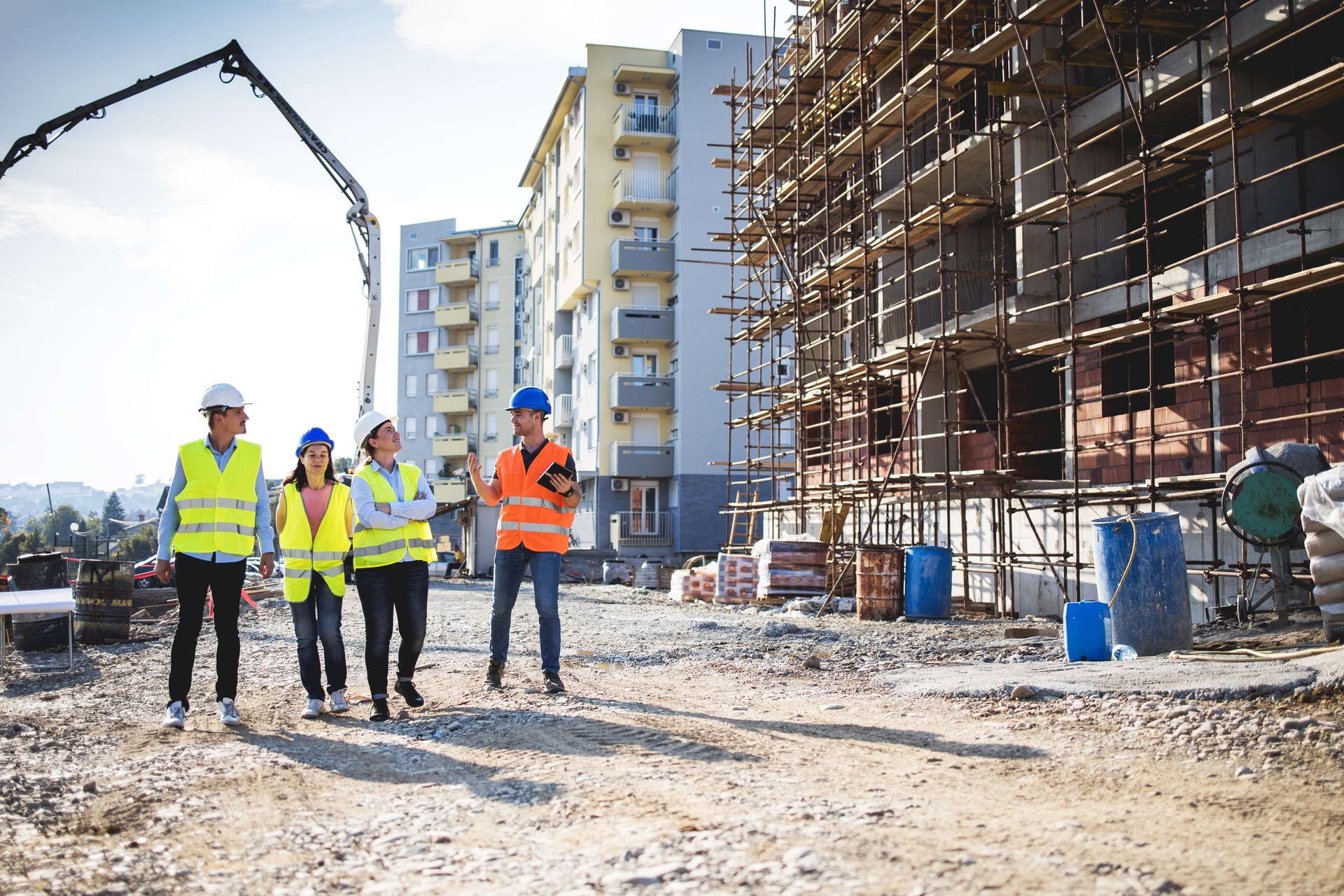
Personal protective equipment (PPE) is essential on any jobsite, but its effectiveness depends on consistent use. Hard hats, high-visibility clothing, gloves, and eye protection should be required based on the job’s specific risks.
PPE enforcement matters just as much as availability. Supervisors should regularly monitor worker compliance and address gaps immediately. When PPE use is treated as a baseline expectation rather than a suggestion, it significantly lowers the risk of injury.

Maintain Organized and Hazard-Free Work Areas
Cluttered and poorly maintained worksites increase the likelihood of accidents. Loose materials, exposed wires, and blocked walkways can quickly become hazards if left unaddressed.
Routine housekeeping should be built into the workday—this includes clearing debris, properly storing tools, and marking hazardous zones. An organized site not only improves safety but also makes operations more efficient, reducing delays caused by misplaced equipment or avoidable incidents.
Conduct Regular Safety Inspections
Ongoing inspections are critical for identifying risks before they lead to accidents. Rather than waiting for official reviews, teams should perform regular internal checks to evaluate equipment, procedures, and site conditions.
Staying inspection-ready at all times reduces operational disruptions and ensures compliance with safety regulations. Preparing for a jobsite safety inspection is much easier when the process is integrated into routine operations.
Provide Ongoing Safety Training and Accountability
Safety requirements evolve, and ongoing training ensures that workers stay informed about updated regulations and best practices for maintaining jobsite safety standards. Training sessions should cover equipment use, hazard recognition, and emergency procedures.
Accountability is equally important. Establishing clear expectations and consequences reinforces the importance of following safety protocols. When safety is consistently prioritized at every level—from leadership to frontline workers—it becomes part of the site’s overall culture.
Maintaining strong jobsite safety standards requires daily effort, not occasional attention. By focusing on clear procedures, proper equipment use, organized workspaces, regular inspections, and continuous training, teams can create safer and more reliable working environments.