






































































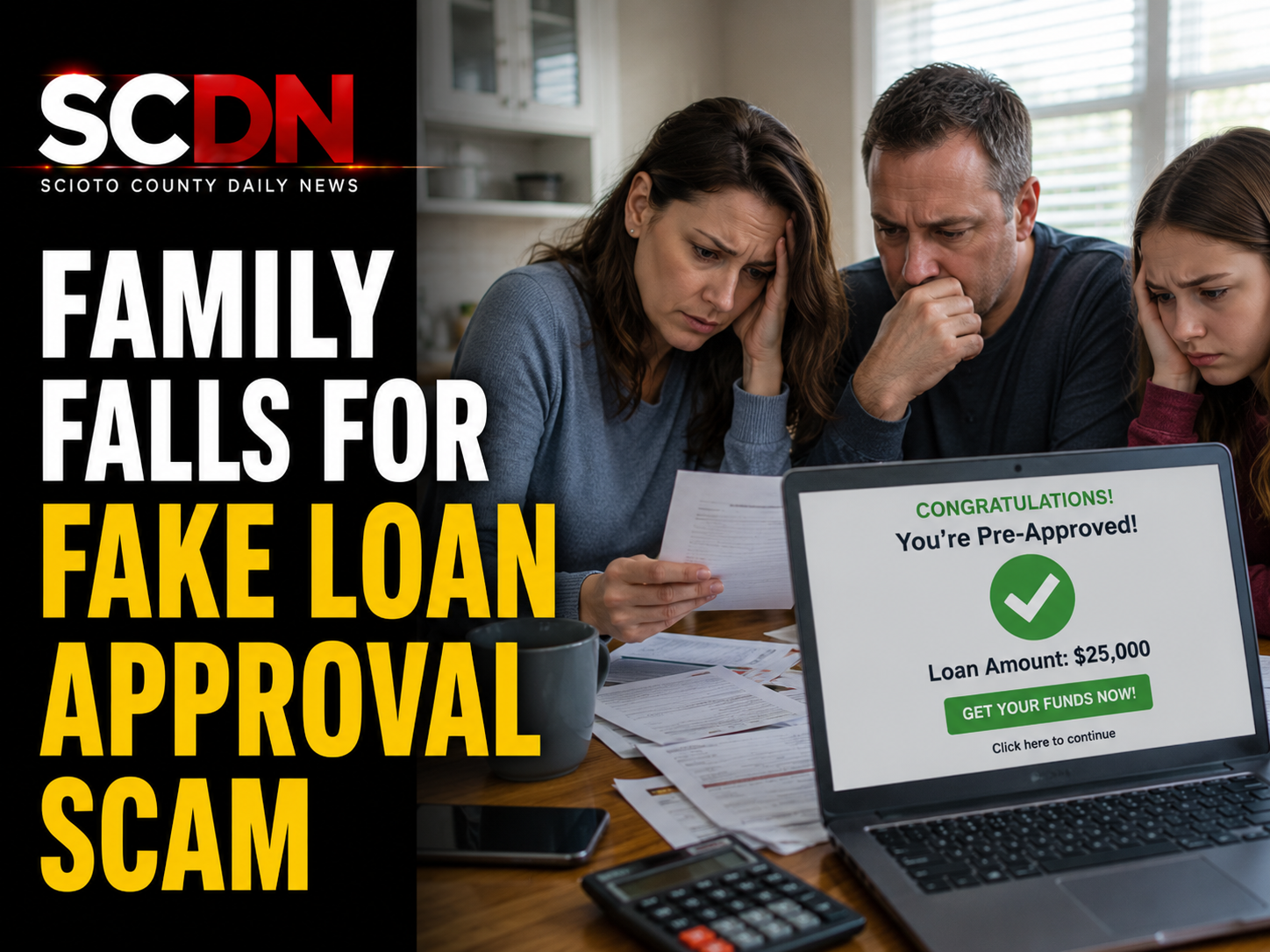
A couple contacted deputies after realizing they had become the target of a loan scam that involved sharing their banking information with someone posing as a legitimate lender.
According to the report, the couple told deputies they had applied for a loan through LendingTree and were later contacted by a man who claimed their application had been approved.
Believing the offer was legitimate, they provided their bank account information.
The caller allegedly told them that $500 would be deposited into their account the following morning.
Later, after becoming suspicious, the Lawrence County couple realized the offer was likely fraudulent and immediately contacted their bank.
The husband told deputies he attempted to freeze the account but was informed the bank could not do so until the following morning.
The couple provided deputies with the names and phone numbers they had been communicating with, along with a screenshot showing a pending $500 mobile deposit into their account.
Deputies documented the incident so the couple could provide a police report to their bank while the matter is investigated.
At the time of the report, no financial loss had been confirmed.
How the Fake Loan Deposit Scam Works
Scammers frequently target people seeking loans by pretending to represent legitimate lenders or loan marketplaces. Once they obtain a victim’s trust, they often ask for bank account information and create the illusion that money has been deposited.
In many cases, the “deposit” is fraudulent or temporary. Victims are then instructed to send part of the money back, purchase gift cards, pay processing fees, or use the funds before the bank discovers the deposit is fake. When the fraudulent deposit is reversed days later, the victim is responsible for any money that was spent or sent to the scammer.
How to Protect Yourself
- Never pay upfront fees to receive a loan.
- Be suspicious of lenders who request your online banking credentials or excessive personal information.
- Verify you are communicating with the lender through its official website or customer service number.
- Do not spend money from a deposit until your bank confirms it has fully cleared.
- Monitor your bank and credit card accounts after sharing financial information.
- Consider placing a fraud alert or credit freeze with the major credit bureaus if your personal information may have been compromised.
- If you believe you’ve been targeted, contact your bank immediately and report the incident to local law enforcement.
Legitimate lenders do not require customers to send money back after receiving a loan deposit, and they will never ask borrowers to purchase gift cards or make payments using cryptocurrency to complete the loan process.