















































































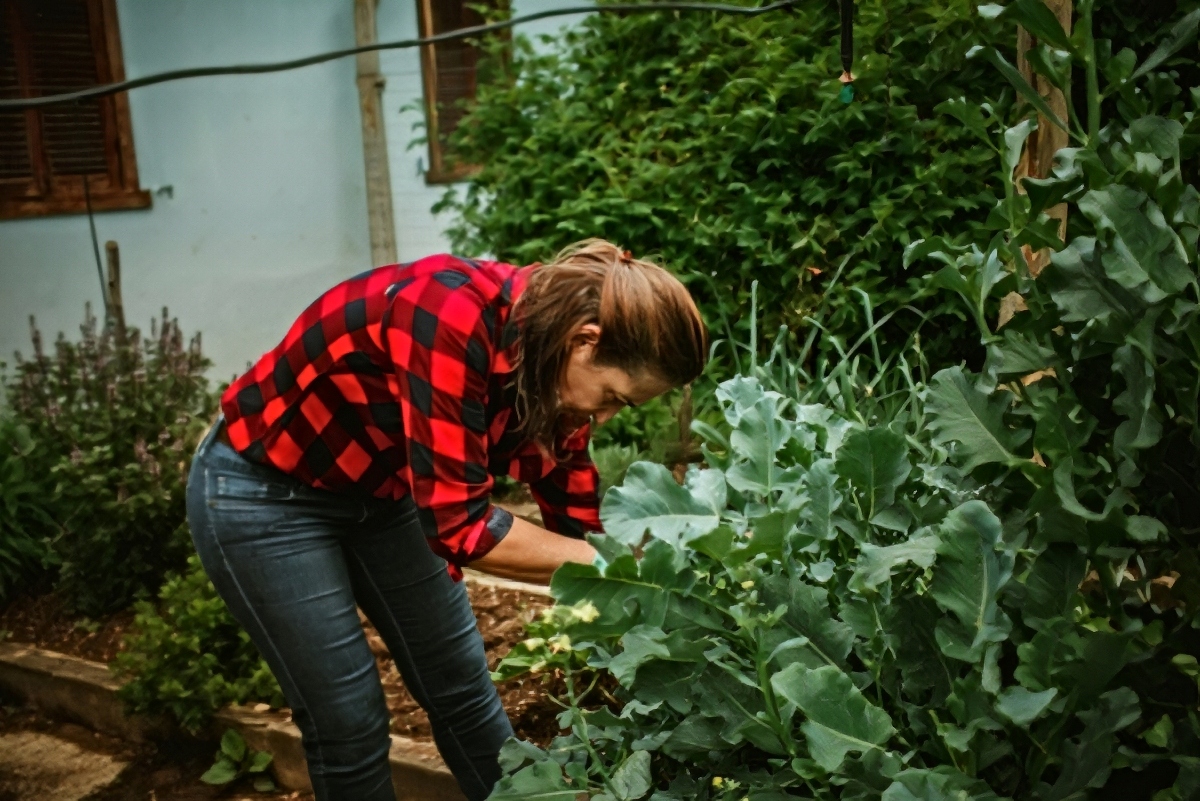
Imagine stepping into your backyard and picking fresh tomatoes for dinner instead of making another trip to the grocery store. Or opening your pantry in the middle of winter to find jars of vegetables you grew and preserved yourself. Sounds pretty satisfying, right?
For Ohio residents, growing food at home is a practical way to become more self-sufficient. It can help reduce grocery expenses, encourage healthier eating habits, and give households greater control over where their food comes from.
And you don’t need acres of farmland to get started. A small backyard, raised garden bed, or even a few containers can provide enough space to grow something useful.
From choosing suitable crops to preserving your harvest, here’s how Scioto County residents can take their first steps toward a more self-sufficient lifestyle.
Start with a Garden That Suits Your Space
One of the biggest misconceptions about self-sufficiency is that you need a large property to grow your own food.

In reality, even a modest garden can produce vegetables, herbs, and fruits for your household.
Start by looking at the space available. Most fruiting vegetables, including tomatoes and peppers, grow best in areas receiving plenty of direct sunlight. Leafy greens can tolerate some shade, making them useful for less exposed gardens.
For beginners, raised beds and container gardens are particularly manageable. They allow greater control over soil quality and make planting, watering, and weeding easier.
Consider starting with these beginner-friendly crops:
- Tomatoes: A popular choice for backyard gardens, particularly when supported with stakes or cages.
- Lettuce: Suitable for containers and smaller growing spaces.
- Green beans: Productive plants that can grow vertically with proper support.
- Peppers: Useful for cooking and suitable for sunny garden beds.
- Herbs: Basil, parsley, and chives can grow in pots near the kitchen.
Make the Most of Ohio’s Growing Seasons
Spring offers the chance to prepare garden beds and plant cool-season vegetables. Summer brings warmer conditions suitable for tomatoes, peppers, and beans. Fall provides another opportunity to grow certain leafy greens and root vegetables.
Understanding these seasonal differences can help you avoid disappointing harvests.
Prepare Your Soil Before Planting
Healthy soil provides the foundation for productive gardening.
Before planting, check whether your soil drains properly and contains enough organic matter. Adding finished compost can improve soil structure and support plant growth.
Plan for Changing Weather
Southern Ohio gardeners should watch local frost forecasts, heavy rainfall, and periods of summer heat.
Mulching garden beds can help retain moisture and reduce weeds. During dry weather, watering near the base of plants limits unnecessary moisture on foliage.
Don’t forget to leave enough space between plants. Crowded gardens can encourage disease and make maintenance difficult.
Consider Different Approaches to Home Cultivation
Growing your own produce is often the first step toward greater independence, but home cultivation can involve more than traditional vegetable gardening.
Some Ohio adults may also be interested in growing plants for personal use, including cannabis where legally permitted.
Unlike ordinary vegetable crops, cannabis cultivation is subject to specific state regulations. Residents must understand applicable age restrictions, plant limits, property rules, and security requirements before considering home cultivation.
Specialist retailers such as Grower’s Choice Seeds can be a good resource for current Ohio requirements and any applicable local or property restrictions.
You can also find strain varieties through the Grower’s Choice Seeds website.
For most households, traditional food gardening remains the simplest starting point. Growing vegetables, herbs, and fruit provides practical experience with plant care while contributing directly to everyday meals.
Preserve Your Harvest for Year-Round Use
A productive garden is rewarding, but sometimes the harvest arrives faster than your family can eat it.
That’s where food preservation becomes useful. Instead of allowing excess produce to spoil, consider storing it for the colder months. There are several practical preservation methods:
- Freezing: Suitable for many vegetables, fruits, and herbs.
- Canning: Allows certain foods to be stored for extended periods when tested recipes and appropriate equipment are used.
- Drying: Useful for preserving herbs and some fruits.
- Refrigerated storage: Helps keep suitable produce fresh for short periods.
Food safety is particularly important when canning. Low-acid foods such as green beans require pressure canning using tested instructions to reduce the risk of foodborne illness.
Start with small quantities and choose preservation methods appropriate for the produce you’re growing.
You can also reduce waste by composting suitable vegetable scraps and using the finished compost to improve garden soil.
Over time, these habits can create a useful cycle: grow food, preserve what you don’t need right away, and return appropriate organic waste to the garden.
Build Self-Sufficiency into Your Everyday Routine
Self-sufficiency doesn’t mean abandoning supermarkets, electricity, or modern conveniences.
For most households, it simply means becoming less dependent on outside resources for certain everyday needs.
Growing vegetables is one example, but other practical habits are worth considering.
Collecting rainwater where permitted can supplement garden watering. Repairing household items instead of immediately replacing them can reduce expenses. Planning meals around seasonal produce can also help limit food waste.
The key is making gradual changes rather than trying to do everything at once.
If you have limited time, spend a few minutes each morning checking your plants and watering when needed.
If you’re working with a small budget, reuse suitable containers, make compost, and prioritize crops your family enjoys.
Keeping a simple gardening journal can help, too. Record planting dates, weather conditions, and harvest results so you can make better decisions next season.
Final Thoughts
Becoming more self-sufficient in Ohio doesn’t require a complete lifestyle overhaul. It starts with small, practical decisions that make everyday living a little more independent.
For Scioto County residents, growing food at home offers an opportunity to learn useful skills, spend more time outdoors, and enjoy fresh produce straight from the garden.
Start with a manageable growing space, choose crops suited to the local climate, and learn how to care for them throughout the season.
As your experience grows, experiment with preservation techniques, composting, and other sustainable household practices.
There will probably be setbacks along the way. Some plants won’t thrive, the weather won’t always cooperate, and your first harvest might be smaller than expected.
That’s part of learning.
The important thing is to keep building your skills. With patience and a little planning, even a small backyard garden can become a meaningful step toward greater independence.