




































































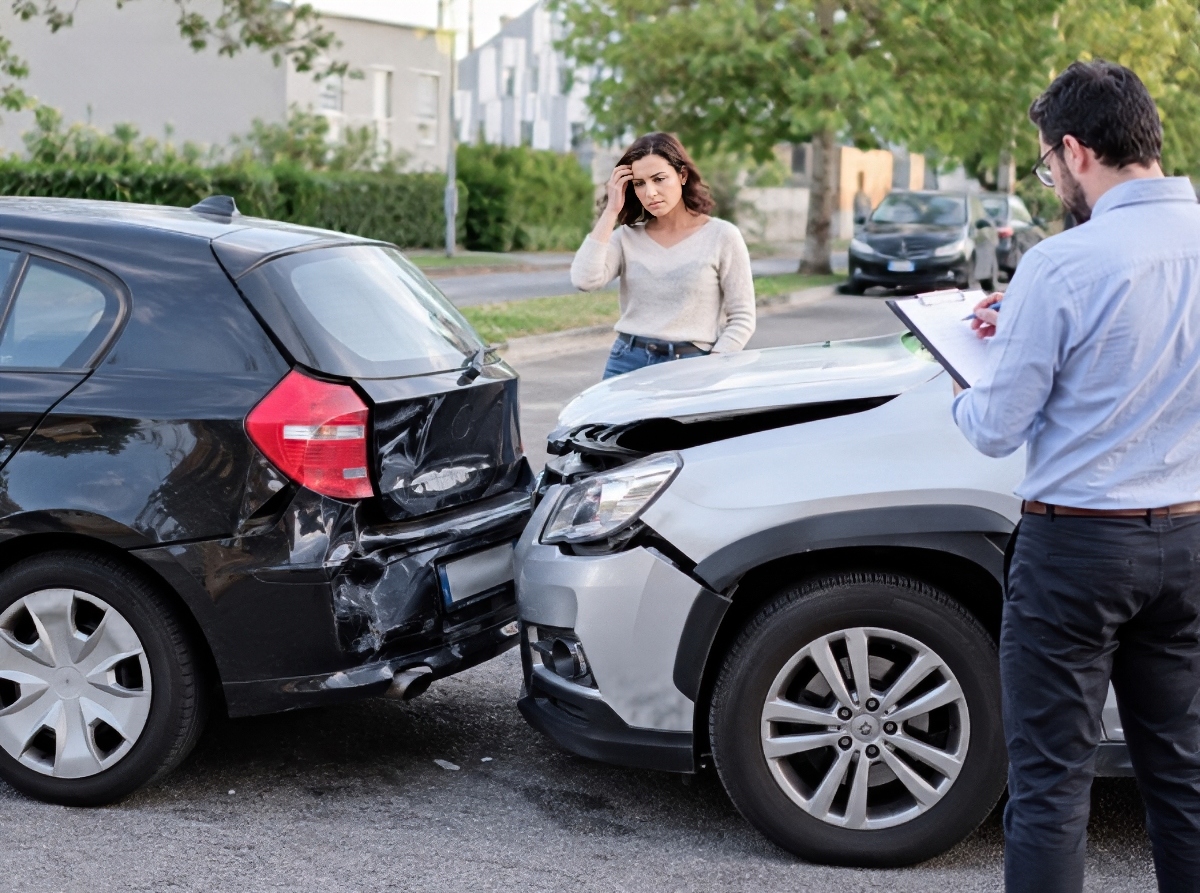
Rear-end crashes can seem straightforward because one vehicle strikes another from behind. The legal picture can still become complicated once the insurance companies start reviewing fault, medical treatment, and the amount of compensation requested. A driver may accept responsibility for the impact while the insurer challenges whether the crash caused all of the injuries being claimed.
If you are considering whether to sue for a rear-end collision in St. Louis, the decision usually comes down to what the evidence shows and whether an insurance claim can adequately address your losses. Missouri law allows an injured person to pursue a negligence claim when another driver’s actions caused the collision and resulting harm.
When the Rear Driver is Responsible
Drivers are expected to leave enough distance to react when traffic slows or stops. Rear-end crashes can happen when a driver follows too closely, looks away from the road, or fails to reduce speed in time.
For an injured driver, this means the physical position of the vehicles tells only part of the story. Photos, video footage, and witness statements can help explain what each driver did before impact.
When the Insurance Claim Does Not Resolve the Dispute
Most people don’t start by filing a lawsuit. The process usually starts with an insurance claim. Medical records and information about the accident are submitted so the insurer can evaluate what happened and what losses resulted.
Problems can develop when the insurer disagrees with part of that claim.
An adjuster might accept that its insured caused the crash but question the extent of an injury. This is common territory in cases where symptoms become clearer after the collision or treatment continues for several months. The insurer may also argue that a medical condition existed before the accident.
If the parties cannot agree on responsibility or compensation, filing a lawsuit may become one way to move the dispute into the court system. The lawsuit gives each side a formal process for obtaining evidence and presenting its position.
When the Injury Has a Larger Financial Effect
Vehicle damage can usually be estimated fairly quickly. Physical injuries can take much longer to understand.
A person with neck or back pain may initially expect to recover after a short period of treatment. Later medical appointments could reveal that more care is required. Another person may miss work because the injury limits lifting, driving, or other job duties.
Those differences can increase the amount at issue in an insurance dispute.
A personal injury claim may address medical expenses and lost income connected to the collision. Missouri rear-end cases can also involve compensation for non-economic effects when the evidence supports them.
The key is documentation. A greater demand is easier to understand when medical records and employment information clearly explain where the claimed losses came from.
When Fault Is Being Shared Between Drivers
Rear-end accidents are sometimes discussed as though responsibility is automatic. Real cases can be less tidy. Missouri uses comparative fault principles, so a person’s recovery can be reduced when that person is assigned part of the responsibility for the accident.

This is one reason evidence collected close to the crash can become useful later. Pictures of the vehicles can show damage and vehicle condition. Witnesses may be able to describe traffic conditions or what happened before the impact.
When Settlement Talks Stall
A lawsuit doesn’t mean the case will go to trial. Filing can happen because negotiations have stalled and the injured person wants to continue pursuing the claim through a formal legal process. If neither side changes its position, the disagreement may need to move beyond informal negotiations.
There is also a legal deadline to consider. Most statutes provide a 5-year limitations period for many actions involving injury to a person, although the exact deadline can depend on the type of claim and circumstances involved.
Deciding Whether a Lawsuit Makes Sense
The fact that a rear-end collision occurred does not answer every legal question. You still need to look at why the crash happened, what injuries resulted, and how the insurance company has responded to the claim.
In some cases, the insurer and injured person can resolve those questions without court involvement. In others, disagreement over fault or the extent of the losses continues.
A useful way to evaluate the situation is to focus on the evidence already available and identify what remains disputed. That gives you a clearer basis for deciding whether continued negotiation is realistic or whether filing a lawsuit has become the next practical step.