













































































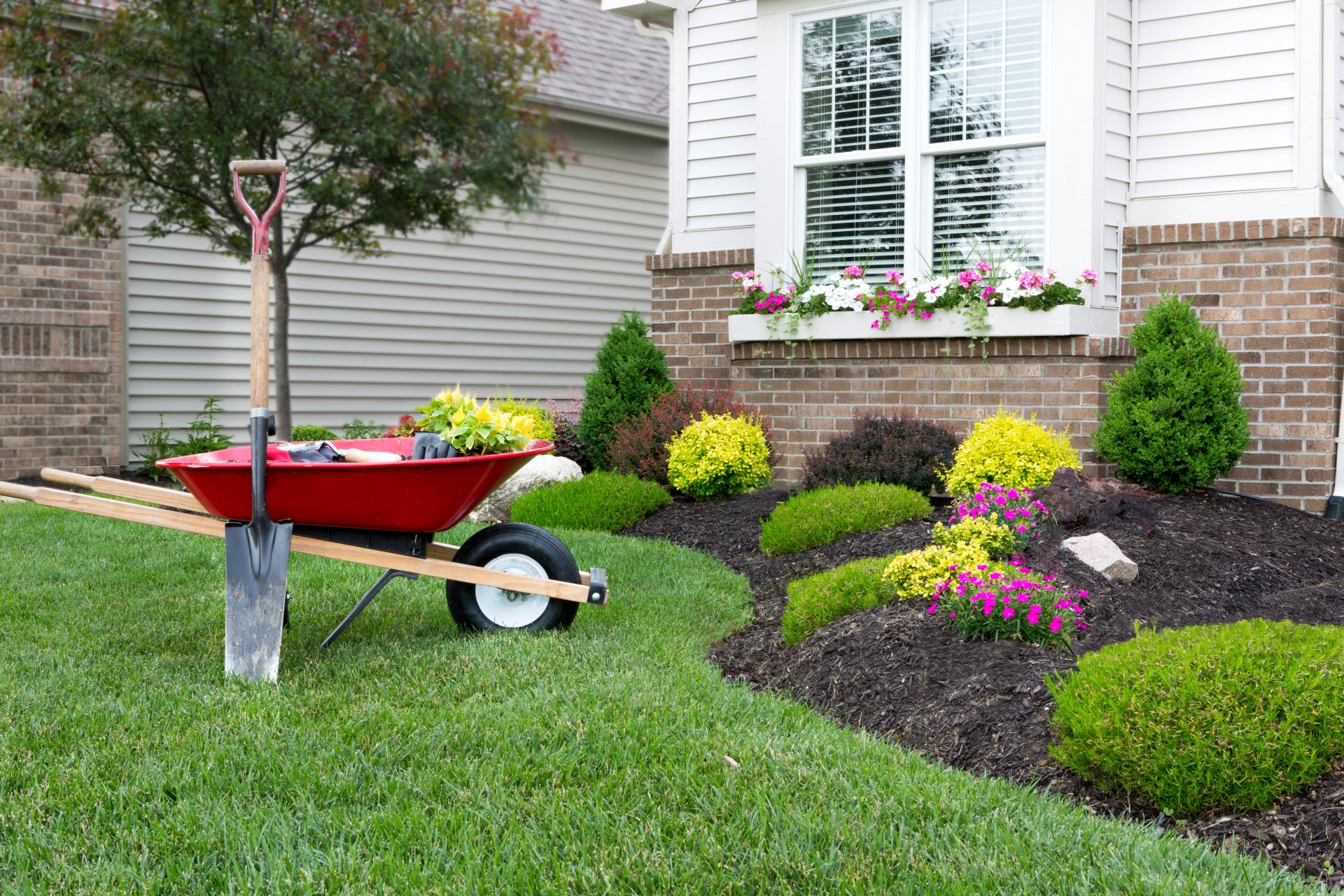
A thriving landscape creates a calming environment that supports plant health and personal well-being. When you approach landscaping with intention, you give your plants the best chance to grow strong and resilient. Small changes in your routine can lead to noticeable improvements over time. Use these landscaping tips for stronger, healthier plants.
Start With Healthy Soil
Soil forms the backbone of every successful landscape. If your soil lacks nutrients or structure, your plants will struggle from the start. You should test your soil to understand its composition and make targeted improvements. Adding compost and organic matter enriches the soil and supports long-term growth.
Healthy soil also improves water retention and root development. When roots grow deeper, plants become more stable and drought resistant. You can loosen compacted soil with simple tools to improve airflow. These steps create a strong foundation that supports everything else in your landscape.
Choose the Right Plants for Your Space
Not every plant will thrive in every environment. You should consider sunlight, climate, and soil conditions before making your selections. When you match plants to your space, you reduce stress and improve overall health. This approach also saves time and money in the long run.
Many gardeners now explore buying dormant plants online as a convenient option. These plants often arrive ready to establish themselves quickly in the right conditions. Still, you must make sure the environment suits their needs before planting. Careful selection leads to stronger and more adaptable plants.
Water With Purpose
Watering seems simple, but many people get it wrong. Too much water can suffocate roots, while too little can stunt growth. You should check soil moisture before watering instead of following a fixed schedule. This habit helps you respond to your plants’ actual needs.
Morning watering works best because it reduces evaporation and allows leaves to dry during the day. Deep watering encourages roots to grow downward instead of staying near the surface. Strong roots create healthier and more resilient plants. Consistent and thoughtful watering makes a significant difference.
Maintain Proper Spacing and Airflow
Crowded plants compete for nutrients, light, and water. When you give each plant enough space, you allow it to grow to its full potential. Proper spacing also improves airflow, which reduces the risk of disease. This simple adjustment can prevent many common gardening problems.

As such, you should follow spacing guidelines for each type of plant you grow. If plants start to outgrow their space, consider thinning them out. Removing excess growth allows the remaining plants to thrive. A balanced layout keeps your landscape healthy and visually appealing.
Stay Consistent With Care
Regular maintenance keeps your landscape in top condition. You should not wait until problems become obvious before you act. Small tasks done consistently can prevent larger issues later. A steady routine helps you stay connected to your garden.
The following landscaping habits can support stronger, healthier plants:
- Check soil moisture regularly before watering.
- Remove weeds as soon as they appear.
- Trim dead or damaged growth.
- Inspect plants for pests or disease.
- Add mulch to retain moisture and regulate temperature.
Landscaping for stronger, healthier plants doesn’t require complicated methods. You only need to focus on the basics and apply them consistently. Soil quality, proper watering, thoughtful plant selection, and routine care all work together to support growth. When you take these steps, your landscape becomes easier to manage and more rewarding to enjoy.