















































































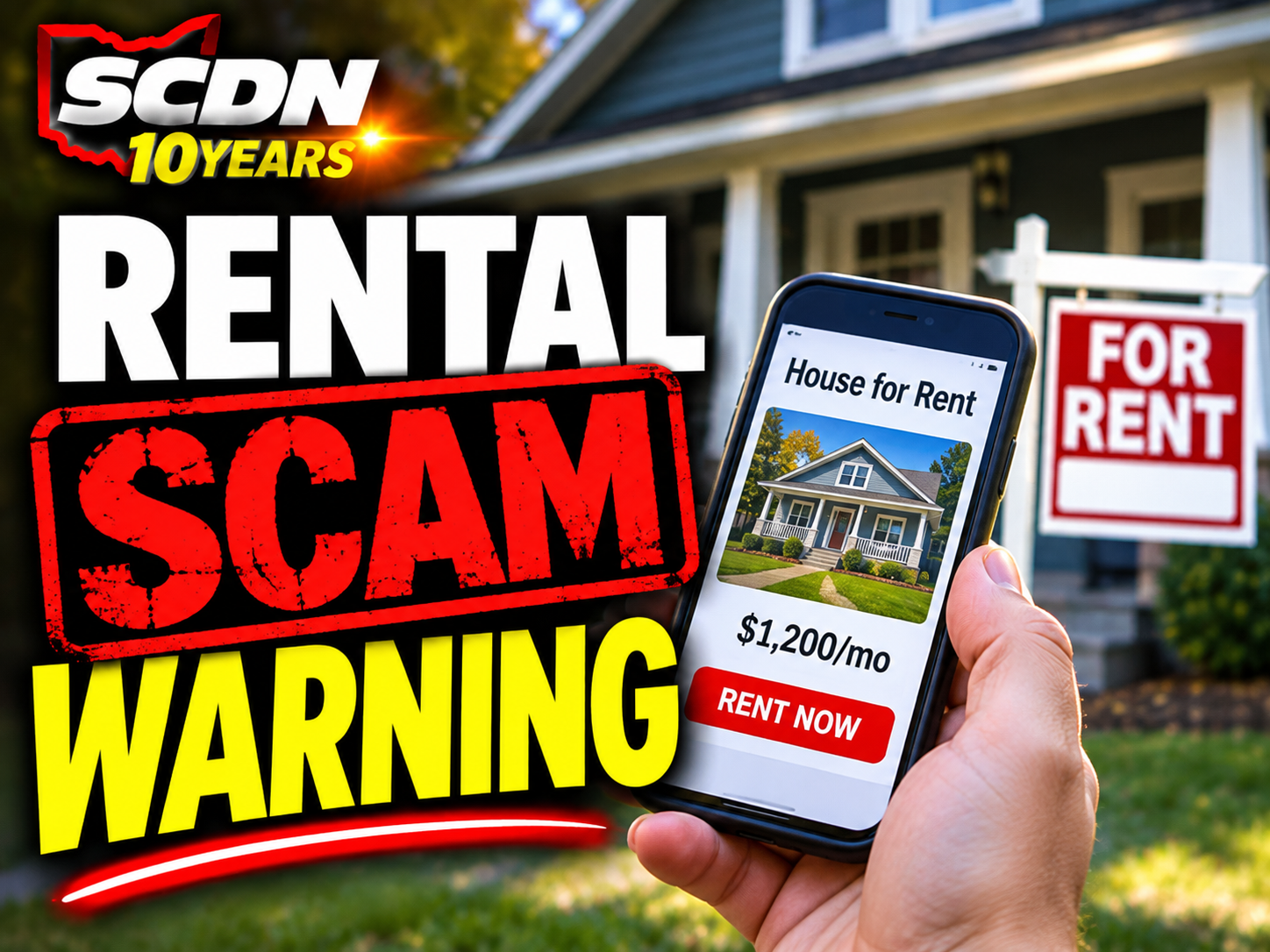
A Lucasville woman thought she had found a place to rent in Portsmouth. Instead, police say she became the victim of a scam involving a stolen real-estate listing.
Portsmouth Police were called to Albert Street after the woman said she had sent money to a man who claimed he could rent her a house.
She told officers she paid the man through Chime and expected to meet him at the property. But no one showed up — and someone was already living in the house.
Police determined the legitimate listing for the home had apparently been copied and used by a scammer pretending to offer the property for rent.
The woman was advised to contact the Scioto County Sheriff’s Office to make a report because she lives in Lucasville.
How Fake Rental Scams Work
Rental scammers often start with a real property listing.
They copy the address, photographs and description from a legitimate real-estate or rental advertisement and repost it somewhere else using their own phone number, email address or social-media account.
The fake landlord then asks for money upfront — sometimes described as an application fee, security deposit, holding fee or first month’s rent.
Once the victim sends the money, the scammer disappears.
The Federal Trade Commission says scammers also sometimes offer properties that are not actually for rent or that have already been leased. Others use fake applications to collect Social Security numbers, driver’s license information or other personal details that can later be used for identity theft.
Red Flags to Watch For
One of the biggest warning signs is being asked to send money before seeing the property or meeting the landlord.
Consumers should also be suspicious if the rent seems unusually cheap, the supposed landlord says they are out of town and cannot meet, or there is pressure to send money immediately before someone else supposedly takes the property.
Payment methods can also be a clue. The Ohio Attorney General warns consumers to be cautious when someone wants payment through peer-to-peer services such as Zelle, Venmo or Cash App, as well as wire transfers, prepaid cards or cryptocurrency — especially before the renter has seen the property.
Before You Pay
Search the property address online before sending any money.
If you find the same home listed somewhere else with a different landlord, rental company, price or phone number, stop and investigate.

If a property is being handled by a management company, contact that company using the phone number on its official website instead of the number supplied in the advertisement.
For a private landlord, the FTC suggests checking county property records to determine who actually owns the home and comparing that information with the person claiming to rent it.
Whenever possible, tour the property in person before paying a deposit. And don’t assume a listing is legitimate simply because the pictures and address are real — scammers frequently steal both from genuine advertisements.
Anyone who discovers a fraudulent rental listing should report it to the websi