
















































































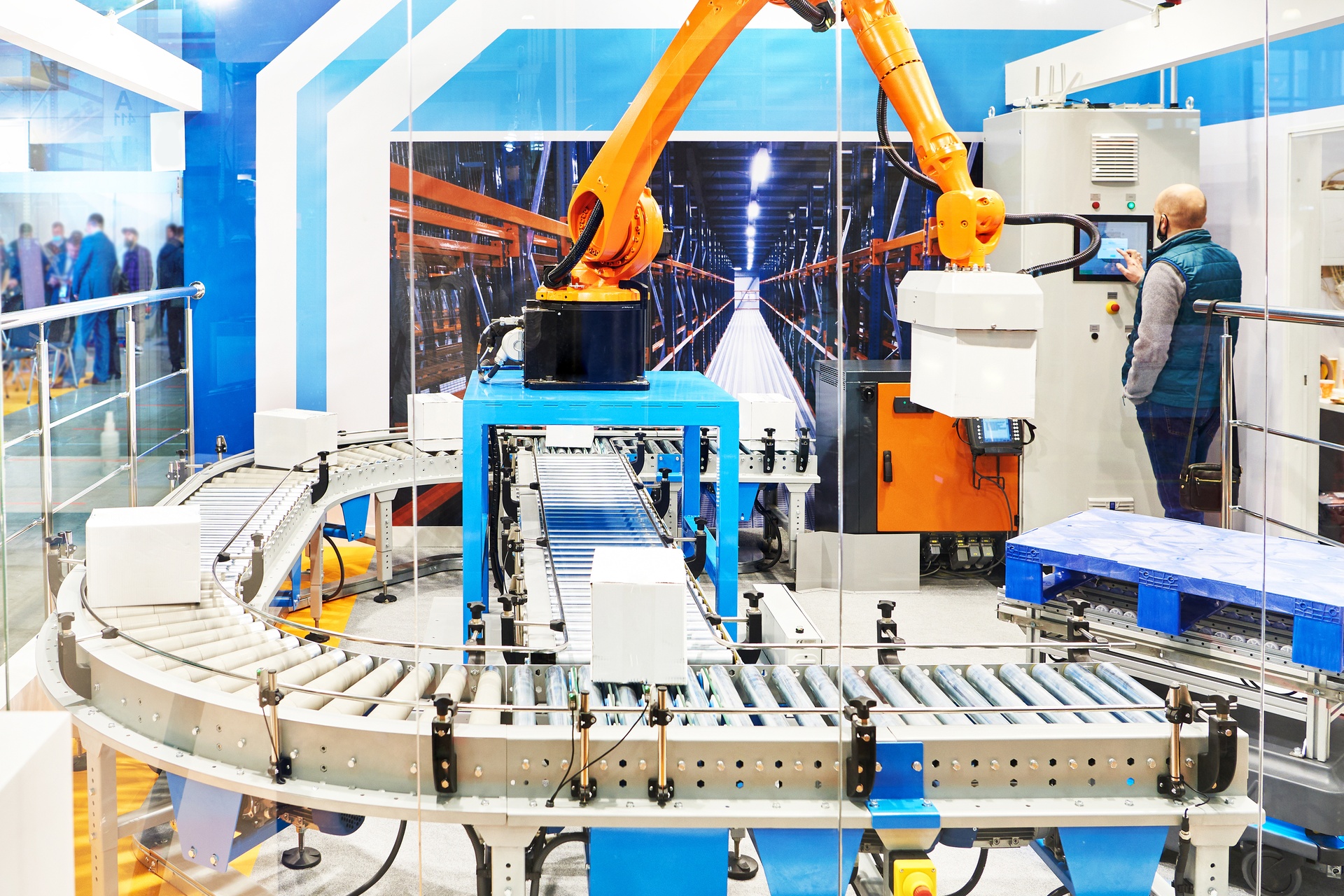
End-of-line palletizing plays a critical role in maintaining efficiency, accuracy, and throughput in modern production environments. Businesses that refine this stage often see immediate improvements in productivity and reduced operational costs. By applying these expert tips to optimize end-of-line palletizing, companies can streamline workflows, minimize errors, and create a more reliable packaging process that supports long-term growth.
Focus on Workflow Integration
A seamless connection between upstream production and palletizing systems drives consistent performance. When operators align conveyor speeds, product orientation, and timing, they eliminate bottlenecks that slow down output. Teams should evaluate how materials move through the line and remove unnecessary handling steps. This approach ensures that palletizing systems operate at full capacity without interruptions or inefficiencies.
Prioritize Equipment Selection
Choosing the right palletizer directly impacts productivity and flexibility. Businesses must assess product types, production volume, and available floor space before deciding. Understanding how to choose the right palletizer allows teams to match their operational needs with the appropriate technology, whether robotic or conventional systems. The right equipment reduces downtime, improves stacking accuracy, and adapts to changing production demands.
Optimize Load Stability
Stable pallet loads protect products during storage and transportation. Operators should design stacking patterns that evenly distribute weight and prevent shifting. Adjusting layer configurations and using consistent wrapping techniques strengthens load integrity. When teams prioritize stability, they reduce product damage, minimize returns, and maintain customer satisfaction while improving overall efficiency.
Leverage Automation and Smart Controls
Automation enhances consistency and reduces reliance on manual labor. Advanced palletizing systems use sensors and programmable controls to adapt to variations in product flow. These technologies allow operators to monitor performance in real time and make quick adjustments when needed. By integrating smart controls, businesses can maintain high throughput while reducing human error and operational variability.

Maintain and Train Consistently
Regular maintenance ensures that palletizing systems operate at peak performance. Scheduled inspections and timely repairs prevent unexpected breakdowns that disrupt production. At the same time, well-trained operators play a vital role in maintaining efficiency. Teams that understand system capabilities and best practices can quickly resolve minor issues and keep operations running smoothly.
Driving Long-Term Efficiency
Improving palletizing performance requires a combination of smart planning, reliable equipment, and consistent execution. Companies that focus on integration, stability, automation, and maintenance position themselves for sustained success. By implementing these expert tips to optimize end-of-line palletizing, organizations can enhance productivity, reduce costs, and build a more resilient operation that adapts to evolving industry demands.