





































































Yet again, a familiar scene played out on Gallia Street.
Around 8 p.m., officers responded to SOMC after reports that a man in a red hoodie had become aggressive with hospital staff. Police handled the situation — and then did what’s become a troubling pattern in Portsmouth: they gave the man a ride and dropped him off at the Speedway gas station on Gallia.
Dispatch suggested the Counseling Center be contacted to pick the man up from Speedway and return him to a rehab facility in Franklin Furnace. Until then, he was left at one of the busiest convenience stores in the city.
And that’s where the frustration sets in.
Speedway isn’t just a gas station anymore — it’s become ground zero for dozens of police calls every single week. Clerks routinely deal with aggressive behavior, panhandling, addiction-related issues, and people with nowhere else to go. Law enforcement knows this. Corporate Speedway security knows this. City leaders know this.
We told you months ago that Speedway Corporate Security reached out to Portsmouth Police asking if anything could be done to ease the constant problems their employees face. The answer they reportedly got: not really.
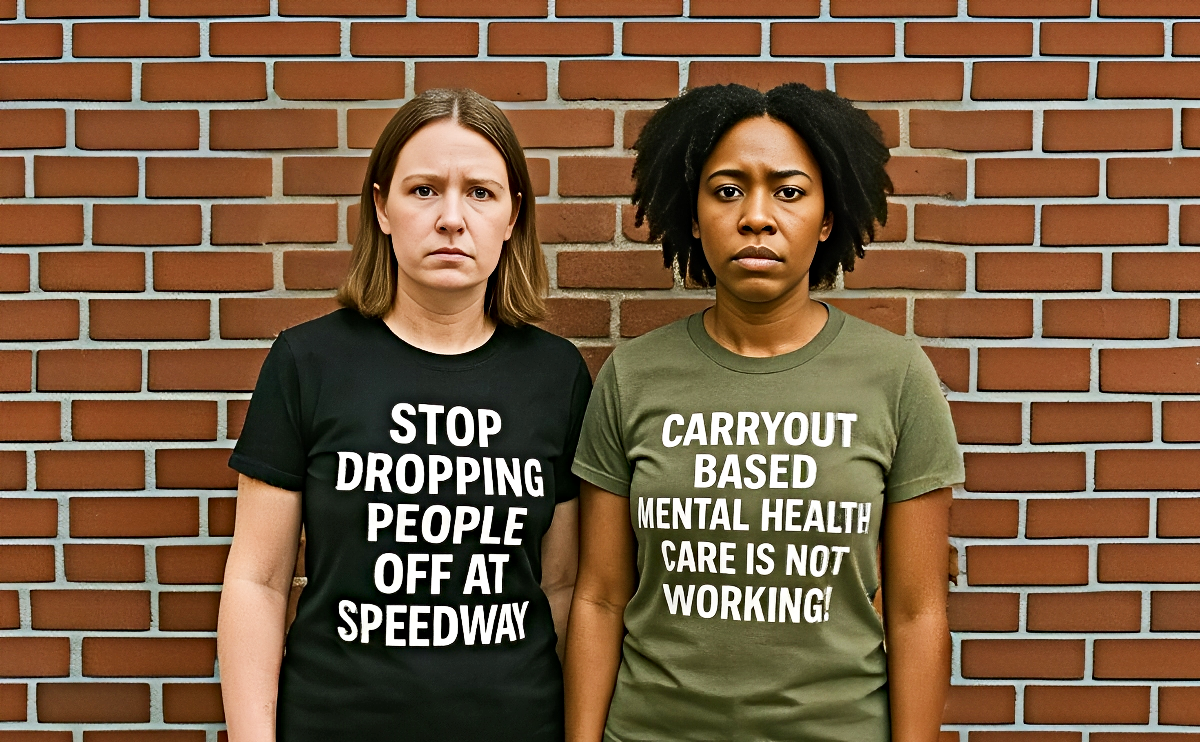
And if you watched SCDN After Hours a few weeks back, you heard our blunt plea — stop using gas stations and grocery store parking lots as dumping grounds for people officers don’t want to deal with anymore.
Because here’s the uncomfortable truth:
If trained officers can’t “handle” someone, why is it reasonable to expect a minimum-wage clerk working alone overnight to do it?
This isn’t an anti-police argument. Officers are stretched thin and constantly juggling mental health crises, addiction, and homelessness with limited resources. But passing the problem down the line doesn’t solve it — it just shifts the risk onto civilians who didn’t sign up for it.
Dropping someone at Speedway doesn’t make the situation go away. It just changes who’s responsible when it inevitably blows up again.
Until Portsmouth confronts the lack of real mental health placements, detox beds, and crisis response options — and stops pretending convenience stores are acceptable holding areas — this cycle will continue.
And every time it does, it’s not just unfair to clerks and customers.
It’s dangerous.