












































































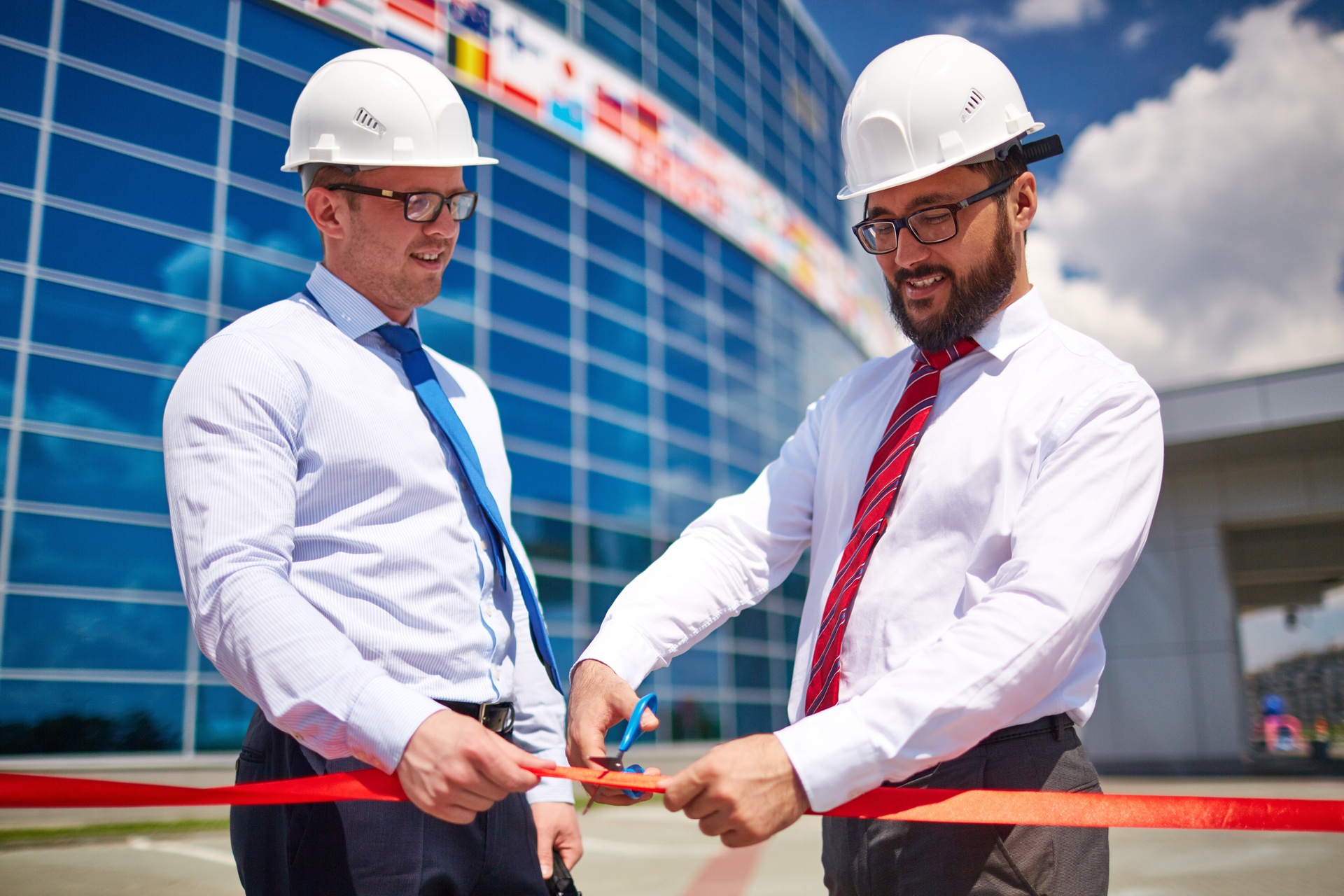
Opening a new building involves much more than unlocking the doors and welcoming occupants for the first time. Property owners and facility managers must think beyond opening day by creating systems that support safety and long-term reliability from the very beginning.
Facilities that start with strong operational planning can better handle future growth and unexpected disruptions. Review five tips for enhancing your building’s operational readiness.
Create a Long-Term Maintenance Strategy
Many new buildings begin with modern equipment and updated systems, but those advantages can disappear quickly without a long-term maintenance strategy. Property managers should create maintenance schedules before opening day so HVAC systems, plumbing fixtures, electrical components, and roofing materials receive regular inspections throughout the building’s lifespan. Early planning helps maintenance teams identify concerns before they escalate into costly repairs that disrupt business operations.
Implement Strong Communication Systems
Strong operational readiness also requires communication systems that make it easy for occupants and employees to report concerns. New buildings should establish maintenance request systems and tenant communication channels before the facility begins daily operations. Fast reporting allows property managers to address problems sooner while reducing frustration among tenants.
Train Staff Members Extensively
New buildings require employees and maintenance personnel who understand how to respond to emergencies, equipment failures, and severe weather. Facility managers should provide regular training sessions that review evacuation procedures, communication plans, and equipment shutdown processes before occupants face real emergencies.
They should also provide their team members with extensive training in maintenance, which can help mitigate the impact of emergencies. For example, workers should know how to perform seasonal maintenance tasks, such as getting their fire protection systems ready for summer. By investing in training, you can reduce the rate and effects of disruptions.
Use Technology To Monitor Building Performance
Another tip for enhancing your building’s operational readiness is to implement smart technology that tracks equipment performance, temperature and humidity levels, and energy consumption throughout daily operations. Facility managers should review this data regularly to identify emerging concerns before systems fail or utility expenses increase significantly. Early detection helps maintenance teams make repairs quickly while preserving occupant comfort.

Plan for Long-Term Growth and Upgrades
A building that performs well during its first year still requires long-term planning to remain dependable for decades. Property owners should evaluate future occupancy demands and replacement schedules for major systems before equipment begins to fail. Long-term planning allows organizations to spread costs strategically while reducing unexpected disruptions.
A successful building opening represents the beginning of an ongoing operational process rather than the completion of a construction project. Thoughtful preparation from the beginning helps buildings adapt to changing demands while supporting the people who depend on them every day.