









































































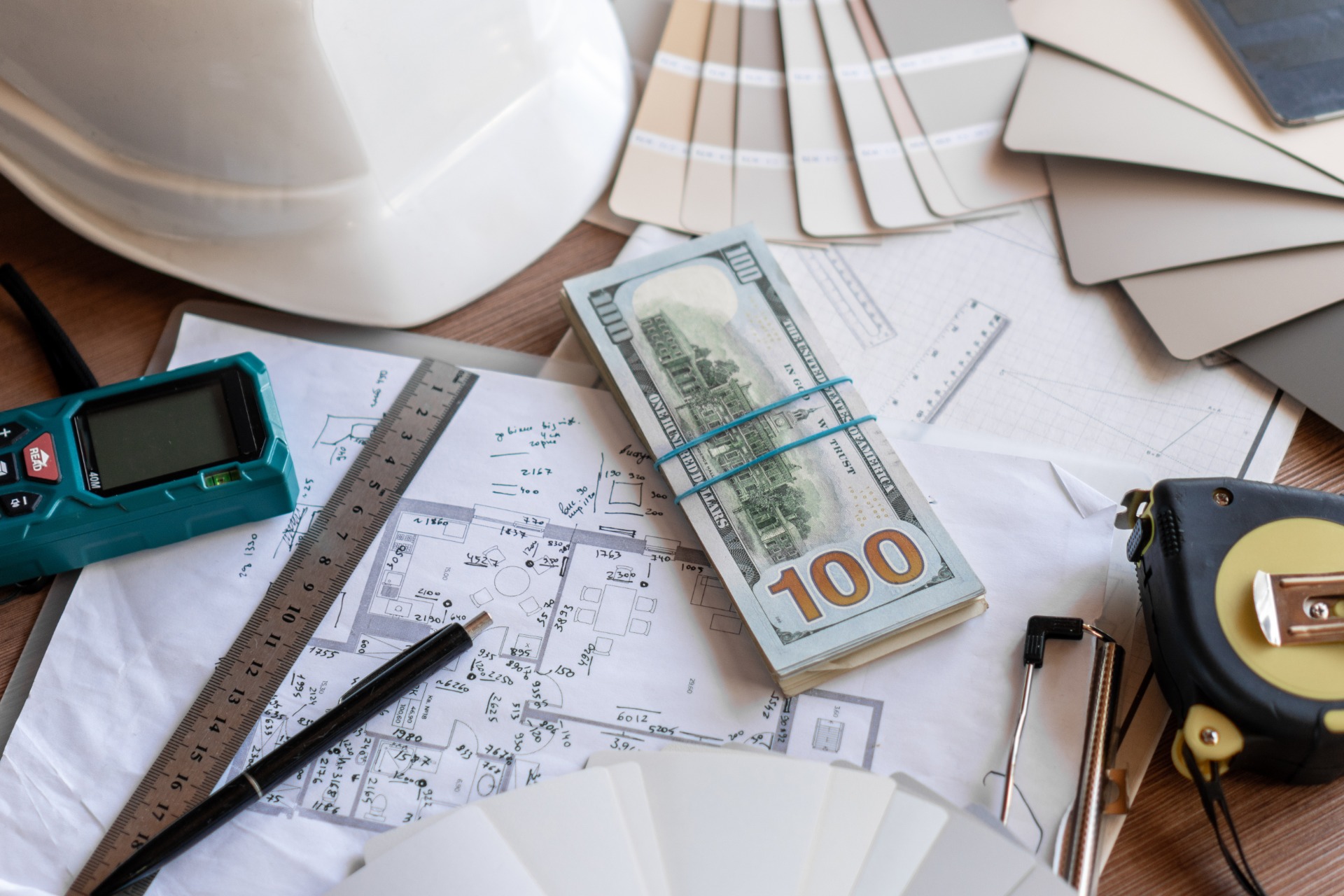
Construction projects can eat through money fast. An inspection delay, a missing material order, a safety issue, or a rushed decision can turn a solid budget into a stressful one. For homeowners, small business owners, and local property managers, return on investment (ROI) means getting lasting value from every dollar spent.
The smartest way to maximize your construction project’s ROI is to treat planning, communication, safety, and follow-through as part of the same job. These steps can help keep a project moving in the right direction.
1. Start With a Clear Scope
A strong project starts before anyone picks up a tool. Write down what the project includes, what it does not include, which materials the team will use, and who approves changes. A clear scope helps everyone understand the work before costs begin to climb.
Change orders can still happen, especially when crews uncover hidden issues. The key is to review each change before approving it, ask how it affects the schedule, and get the cost in writing.
2. Build a Budget with Real Cushion
A tight budget may look good at first, but it can create trouble when prices shift or repairs pop up. Add a realistic cushion for surprises, permits, disposal fees, and small upgrades that may make sense once work begins.
A cushion does not give anyone permission to spend freely. It gives the project room to breathe, which helps owners make practical decisions instead of rushing them.
3. Keep Communication Simple and Regular
Another way to maximize your construction project’s ROI is through good communication that prevents confusion. Set a regular check-in schedule with the contractor, and ask for updates on progress, delays, materials, and upcoming decisions.

Keep messages clear and written when possible. A quick email or text recap can prevent disagreements later, especially when several people weigh in on finishes, timing, or payment approvals.
4. Treat Safety as a Financial Issue
Safety protects people first, but it also protects the budget. A jobsite incident can slow work, create investigations, raise costs, and damage trust between crews, owners, and contractors. That makes safety a practical part of project planning, not just a compliance matter.
For larger jobs, dedicated safety oversight can help crews identify risks before they interrupt the schedule. Onsite construction safety staff improve project ROI with schedule support, productivity, and cost control.
5. Review the Project Before Closing It Out
The last stage matters. Walk the site, review the punch list, collect warranties, confirm final inspections, and keep copies of permits and receipts. This protects the value of the work after the crew leaves.
A careful closeout also helps with future repairs, insurance questions, resale conversations, and maintenance planning. That final review can strengthen project ROI long after paying the last invoice.
Conclusion
A strong construction project delivers value because the team plans carefully, communicates clearly, protects workers, and reviews the details before closing the job. Small decisions at each stage can shape the final cost, timeline, and quality of the work. When owners stay involved and organized, they give the project a better chance to return lasting value.