











































































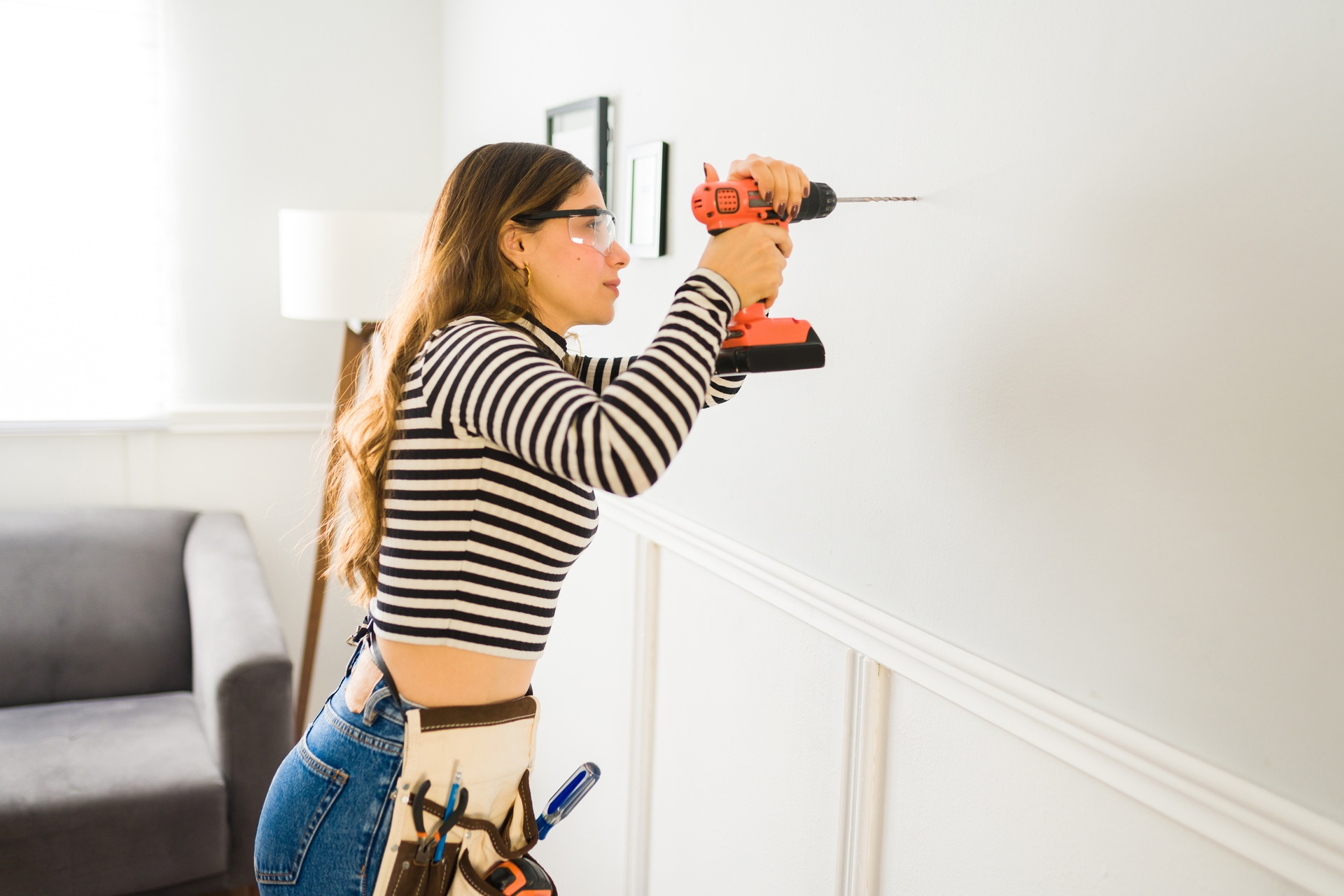
Home improvement projects feel empowering. A simple shelf installation or wall mount can quickly improve a space. Yet many DIYers discover a serious problem when they drill in the wrong spot. A drill bit can hit electrical wiring, plumbing, or structural components hidden behind walls.
These mistakes often happen faster than people expect. One second, the drill moves smoothly. The next moment, sparks, leaks, or sudden resistance appear. Understanding the risks and knowing how to prevent them protects both your home and your safety.
Why Hidden Structures Make Drilling Risky
Walls seldom leave space. Builders install various systems behind drywall to support daily life, including electrical cables, plumbing pipes, gas lines, insulation, and wooden studs, all within tight cavities. A drill bit does not differentiate between drywall and hazards; it simply advances.
Several hidden hazards often sit just inches behind the surface:
- Electrical wiring that powers outlets and lighting
- Water pipes that supply sinks, showers, and appliances
- Gas lines used for heating or cooking
- Structural studs that support walls
- Communication cables for internet or TV
Hitting any of these systems can quickly turn a small project into a stressful repair situation.
Electrical Wires: A Serious Safety Hazard
Electrical wiring can be quite risky if not handled carefully. For example, a drill bit might accidentally pierce the insulation around the wire, causing an immediate electrical short. This can cause sparks, trip breakers, or even result in electrical shocks. In more serious cases, damaged wiring inside the wall could pose fire hazards that are not immediately visible.
Electricians often report that homeowners discover this problem only when you drill in the wrong spot and suddenly lose power in part of the house. Repair usually requires opening the wall and replacing the damaged section of cable.
Plumbing Damage Can Flood a Room
Water pipes often cause drilling accidents. A puncture causes immediate water release, and even small holes can spray water behind drywall, leading to hidden moisture damage. Homeowners might hear dripping, see damp drywall, or experience sudden drops in water pressure.
If not repaired, leaks can promote mold growth and structural issues. Typically, professional plumbers must cut into the wall to access and fix the damaged pipe.
Structural Damage Creates Long-Term Problems
Not all drilling errors lead to immediate chaos. Occasionally, a drill might penetrate a wooden stud or structural beam. Although small pilot holes usually don’t cause significant harm, repeatedly drilling in load-bearing zones can gradually weaken the structure.
Builders carefully position studs to support ceilings, upper floors, and roofs. Thoughtful placement of holes helps maintain the structure’s integrity.
Simple Ways to Prevent Costly Mistakes
A few preparation steps dramatically reduce drilling risks. Professionals follow these habits before touching a wall.

- Use a stud finder to locate framing behind drywall
- Scan walls for electrical wiring or metal pipes
- Check building plans if available
- Turn off nearby power circuits during risky projects
- Drill slowly and stop if resistance suddenly changes
These habits make it easier for DIYers to avoid trouble and safely drill through hazardous materials that might be hidden behind drywall.
Drilling into a wall seems simple, but hidden infrastructure turns it into a task that requires planning. Taking a few minutes to locate what lies behind the wall can prevent injuries, water damage, and expensive repairs. Keep your home projects safe, efficient, and far less stressful.