















































































An area family is warning others after a teenager became the latest victim of a fast-growing online scam that has cost victims thousands of dollars—and, in some tragic cases across the country, even their lives.
Deputies responded to a Chesapeake-area home after a juvenile reported being targeted in what investigators believe is a classic “sextortion” scheme.
According to the report, the teen told deputies he began chatting with someone on Discord around 11 p.m. on July 12. Believing he was talking to a young woman, the conversation quickly turned personal, and the two exchanged nude photographs.

That’s when everything changed.
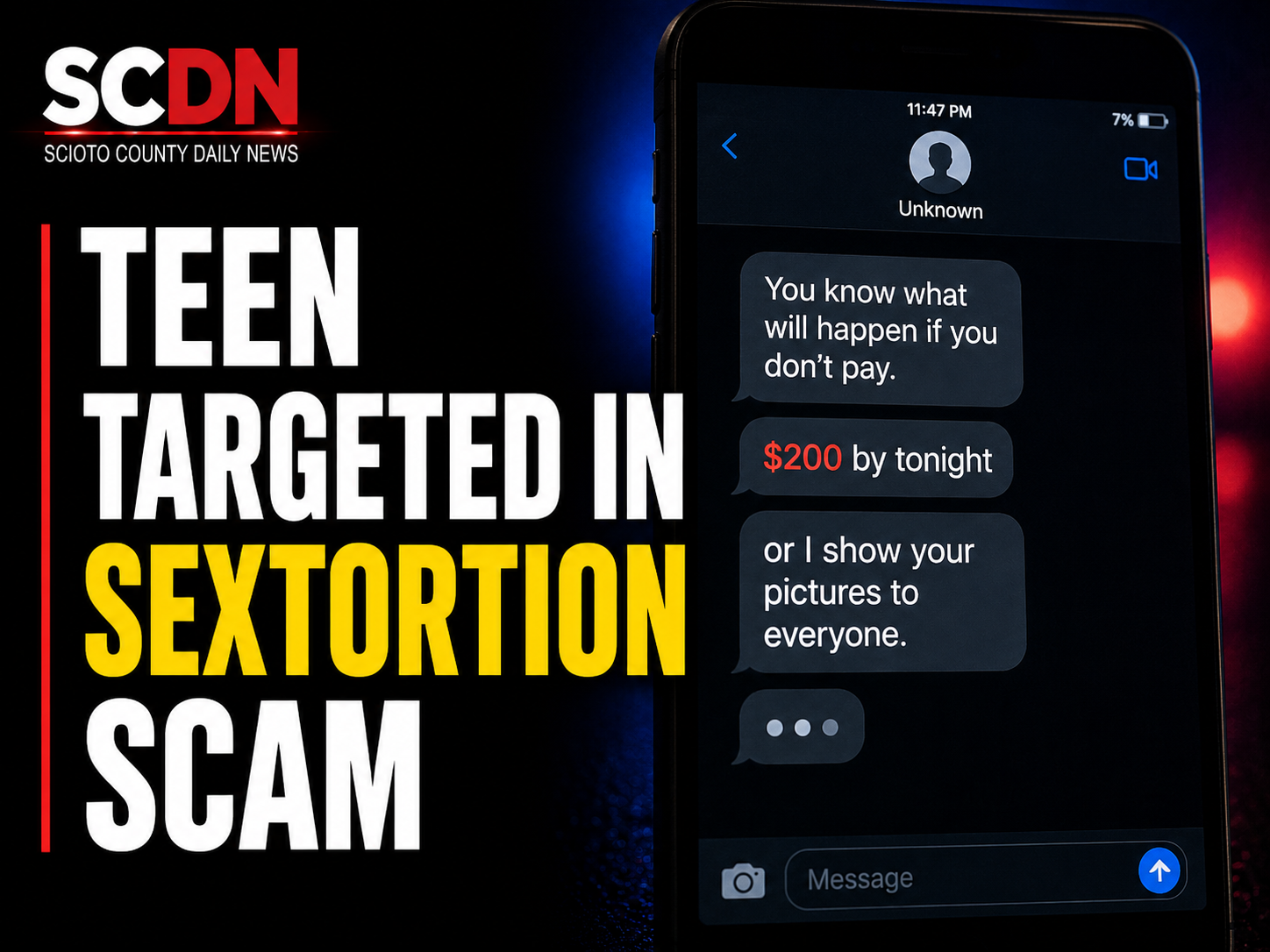
According to investigators, the person on the other end of the conversation demanded $200 and threatened to publish the teen’s intimate photos online and send them to his friends through TikTok if he didn’t pay.
The victim’s family contacted law enforcement instead of sending money.
Deputies collected screenshots of the conversation, which have been entered into evidence as the investigation continues.
How This Scam Works
Law enforcement agencies and the FBI say this scam follows the same pattern thousands of times every year:
- A scammer creates a fake social media profile, often pretending to be an attractive teenager or young adult.
- They quickly move the conversation toward flirting and exchanging intimate photos or videos.
- Within minutes, the scammer reveals their true intentions.
- Victims are threatened with having the images sent to family members, classmates, employers, or posted publicly unless they immediately send money.
- Even if victims pay, the demands almost always continue. Many victims are pressured to send hundreds or even thousands of dollars.
The scammers are often located outside the United States, making them difficult to identify and prosecute.
What To Do If It Happens
If you or your child becomes the target of a sextortion scam:
- Do not pay. Paying almost never ends the threats.
- Stop communicating with the scammer immediately.
- Save screenshots, usernames, payment requests, and any messages.
- Report the account to the platform where the contact occurred.
- Contact your local law enforcement agency.
- File a report with the FBI’s Internet Crime Complaint Center (IC3) at ic3.gov.
Parents should also remind teenagers that people online are not always who they claim to be. Scammers often spend only a few minutes gaining a victim’s trust before attempting to extort them.
Deputies say the investigation remains active.