













































































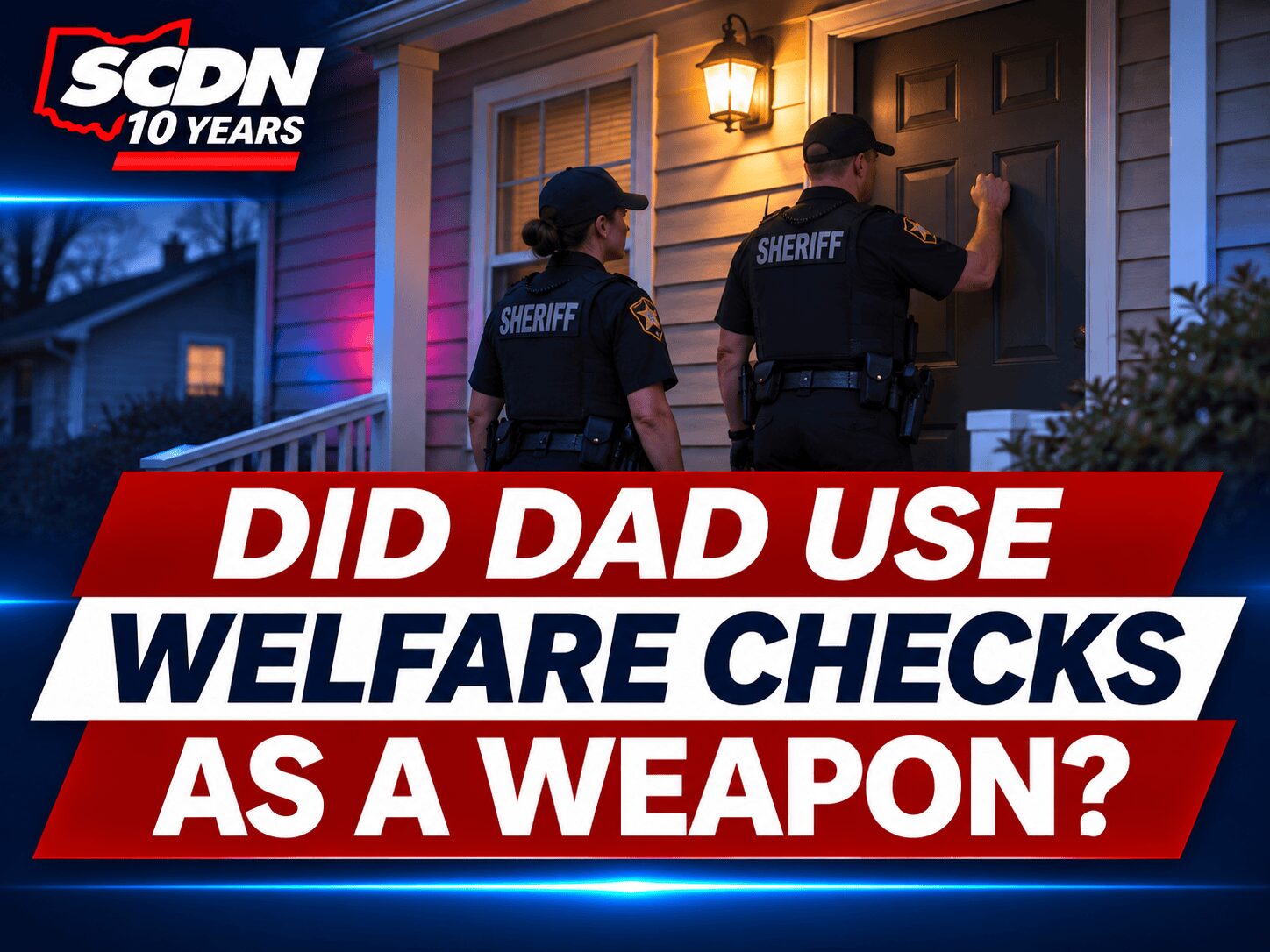
Portsmouth Police checked on a toddler after the child’s father reported he had not had contact with the child for more than two weeks.
Officers went to a Portsmouth apartment Sunday afternoon to check on the 1½-year-old.
Police made contact with the child’s mother, who told officers the toddler was with a grandmother while she was working.
She also told police there had been recent problems between her and the child’s father, including a domestic threat report, and alleged that he had repeatedly made threatening comments toward her.
The woman told officers she believed the welfare checks were being requested as a way to harass her because she no longer answered his calls or messages.
Police documented the circumstances and determined no report was needed at that time.
The call raises an important issue for anyone worried about a child:
When should you call police or Children Services — and when does a welfare concern cross the line into misuse?
If You Really Suspect Abuse, Make the Call
If you genuinely believe a child is being abused, neglected or is in danger, don’t let fear of being wrong stop you from reporting it.
You don’t have to personally prove abuse before raising a legitimate concern.
Ohio law requires certain professionals to report when they know or have reasonable cause to suspect child abuse or neglect. Other people can also report suspected abuse or neglect.
If a child appears to be in immediate danger, call 911.
For suspected abuse or neglect that is not an immediate emergency, Ohio residents can contact Children Services. Ohio Legal Help lists the statewide child-abuse reporting number as 855-642-4453.
Things worth reporting can include reasonable concerns that a child is:
- being physically or sexually abused;
- being left in dangerous conditions;
- not receiving necessary food, shelter or medical care;
- being exposed to serious violence;
- or otherwise facing a genuine threat to their safety.
You are reporting a concern so trained investigators can determine what is happening.
Being Wrong Isn’t the Same as Making a False Report
This distinction matters.
Sometimes a person has a legitimate reason to worry, calls authorities, and investigators determine the child is fine.
That does not automatically mean the caller did something wrong.
Ohio law specifically targets someone who knowingly makes a false report alleging child abuse or neglect. Knowingly making such a false report is a first-degree misdemeanor.
In other words, there is a big difference between:
“I’m worried about this child, and here is why.”
and
“I know this isn’t true, but I’m reporting it anyway to cause trouble.”
CPS Shouldn’t Be a Weapon in a Breakup
Breakups, divorces and custody disputes can get ugly.
But police welfare checks and Children Services investigations are not tools for getting even with an ex, frightening another parent or maintaining unwanted contact.
A knowingly false abuse or neglect report can consume time that investigators could be spending on a child who genuinely needs help — and Ohio law makes knowingly filing one a crime.
At the same time, simply because parents are fighting does not mean every concern one parent raises is automatically harassment.
Each concern has to be judged on its facts.
In Sunday’s Portsmouth call, the mother told police she believed the child’s father was using welfare checks to harass her. That was her allegation. The initial police entry does not say officers determined that the father knowingly made a false report.
What it does say is that officers checked the situation and did not find a need for a police report at that time.
What Should You Report? Stick to Facts
If you’re worried about a child, tell authorities what you actually know.
Instead of:
“She’s a terrible mother.”
Say:
“I saw the 3-year-old alone outside twice this week, and there was no adult around.”
Instead of:
“He’s abusive.”
Explain what you personally saw, heard or were told that caused the concern.
Give dates, locations and specific observations when possible.
Don’t exaggerate.

Don’t guess.
And don’t add allegations simply because you’re angry with the other parent.
Let investigators decide what the facts mean.
What Happens After a Report?
A call to Children Services does not automatically mean a child will be taken away.
Ohio law provides for public children services agencies to investigate reports of suspected abuse or neglect and determine the circumstances and whether a child faces a safety threat. Removal generally involves additional legal and safety considerations; police do not simply take a child because someone placed a call.
Depending on what investigators find, a family might need no intervention at all, services could be offered, or authorities could take stronger action if a child truly cannot safely remain in the home.
The Bottom Line
If you honestly believe a child may be in danger, speak up.
You don’t need absolute proof before asking professionals to look into a legitimate concern.
But there is another side to that responsibility.
Don’t invent a concern.
Don’t exaggerate one.
And don’t use police or Children Services as another weapon in a personal dispute.
The system works best when reports are about one thing:
keeping children safe.