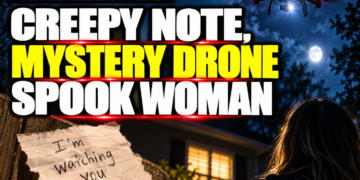













































































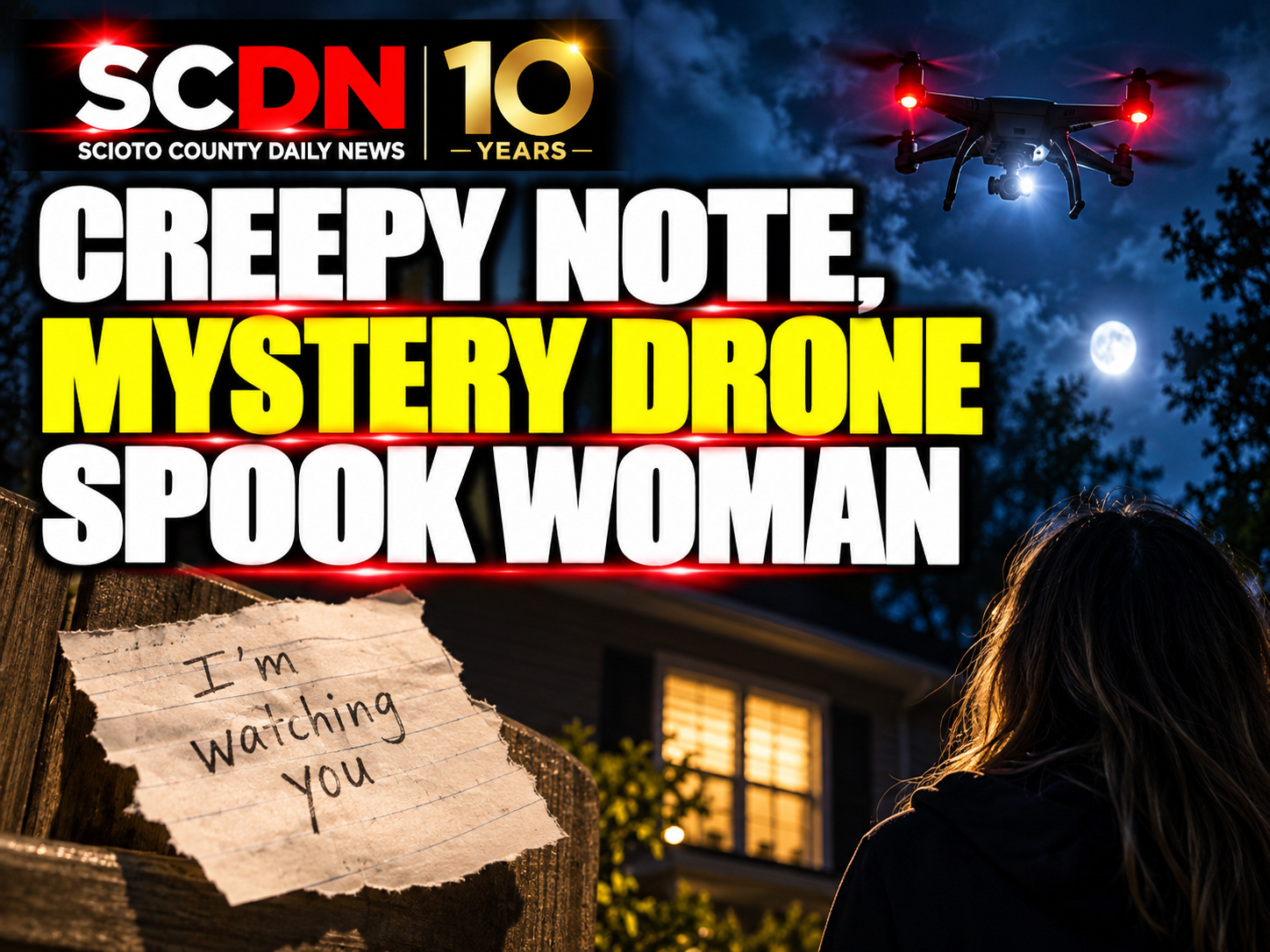
A Harding Avenue woman who had already reported receiving a note saying someone was watching her got another unsettling surprise Tuesday morning.
This time, she spotted a drone flying around the neighborhood — and told Portsmouth police it had come into her backyard.
The woman called officers around 11 a.m. and asked to speak with someone about the drone, especially in light of the earlier note.
That combination would be enough to make just about anyone uneasy.

An officer told her he would try to locate the drone operator and advise them about the rules.
The police log does not say officers identified the pilot or establish that the drone was connected in any way to whoever left the earlier note.
Still, the timing was creepy enough to prompt the call.
Can Someone Legally Fly a Drone Over Your Yard?
The answer is more complicated than simply “yes” or “no.”
The FAA controls the nation’s airspace, and a drone passing over private property is not automatically illegal just because it crosses above someone’s yard. The FAA also notes that privacy complaints are generally governed by state and local law rather than federal aviation rules. Federal Aviation Administration
Ohio law requires drone operators to follow federal aviation rules and prohibits operating a drone in a way that knowingly endangers people or property or purposely disregards the rights or safety of others.
Ohio’s voyeurism law can also come into play if someone secretly records another person in a place where that person has a reasonable expectation of privacy under the circumstances covered by the statute.
So a drone merely passing overhead is one thing.
A drone repeatedly hovering close to windows, following someone, recording private activity, or being used as part of harassment could raise very different legal questions depending on the circumstances.
Drone Pilots Have Rules, Too
Recreational drone pilots generally must keep the drone within visual line of sight, yield to other aircraft, stay at or below 400 feet in uncontrolled airspace, and obtain authorization before flying in certain controlled airspace. Most recreational drones weighing more than 0.55 pounds must also be registered with the FAA, and registered drones generally must comply with Remote ID requirements.
And despite how tempting it might be when a drone is hovering over your backyard, don’t shoot it down. The FAA says drones are aircraft, and shooting at one can bring federal, state, or local consequences.
In this case, police didn’t accuse anyone of breaking those rules.
They simply had a woman who had already been told someone was watching her — and now had a drone buzzing around her backyard.
Police said they would try to figure out who was flying it.