












































































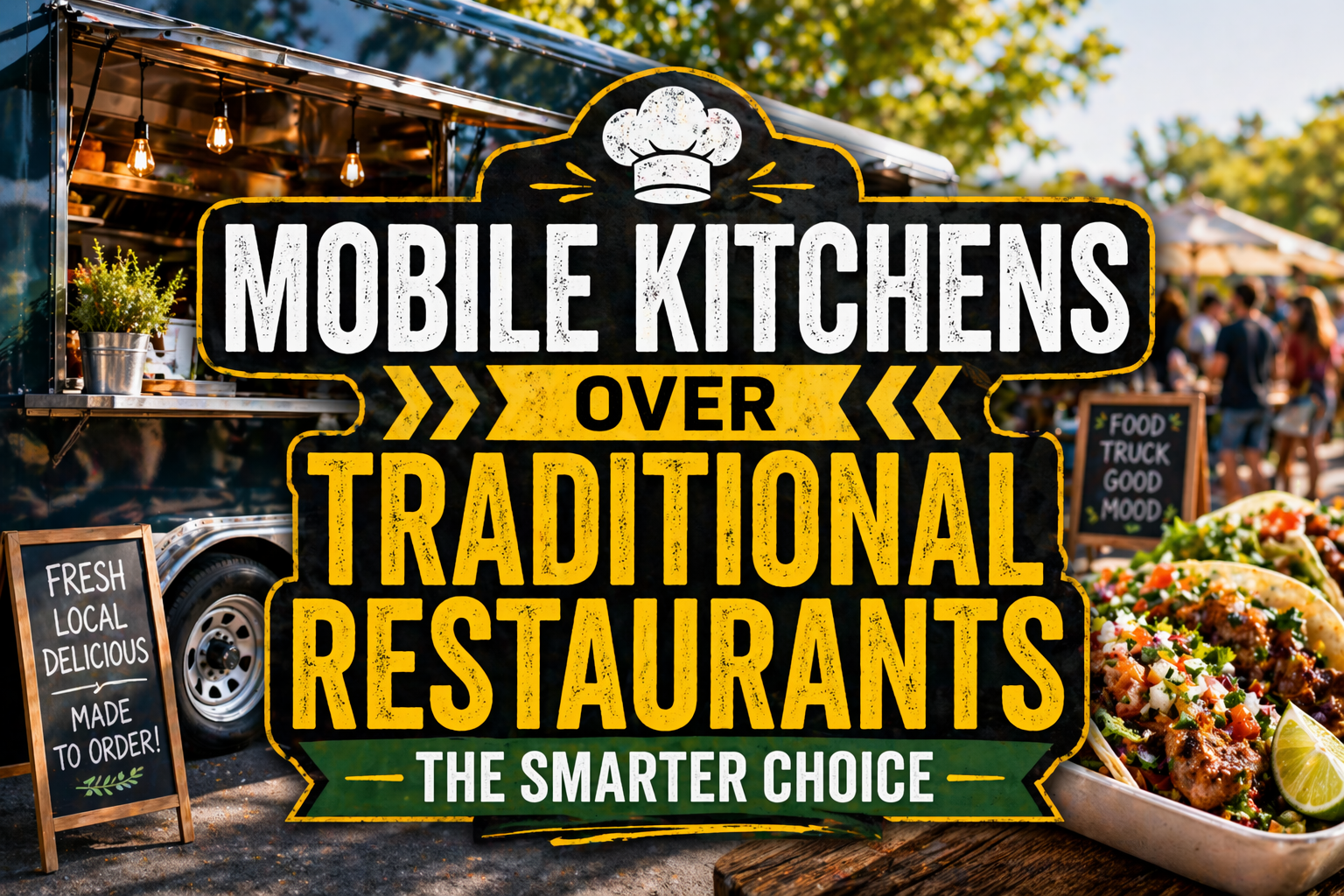
The hospitality industry has experienced a massive shift in recent years, prompting many to rethink how they serve their communities. Instead of signing long commercial leases and taking on immense financial burdens, a new wave of culinary entrepreneurs is taking a completely different route to success. Aspiring chefs are increasingly trading the traditional brick-and-mortar restaurant model for the dynamic, fast-paced environment of mobile kitchens. This shift is not just a fleeting trend or a temporary response to market pressures. It is a highly strategic business decision driven by changing consumer dining preferences, shifting economic realities, and a deep desire for greater creative freedom in the kitchen. By eliminating the restrictions of a fixed location, chefs are finding entirely new ways to express their culinary visions.
Lower Capital Risk and Startup Expenses
Starting a conventional restaurant demands a staggering amount of upfront capital. Between securing a prime location, funding extensive dining room renovations, and purchasing heavy-duty commercial equipment, the financial barrier to entry is enormous for most independent cooks. Mobile kitchens drastically reduce these initial hurdles, offering a much more accessible entry point into the food industry. However, securing the necessary financing still requires careful preparation and a solid roadmap. As outlined by the U.S. Small Business Administration in their comprehensive guide on how to write your business plan, aspiring entrepreneurs must present detailed 5-year financial projections and explicit funding requirements to convince lenders and investors to finance their new venture.
Once the financial groundwork is properly laid out, chefs can focus on acquiring their primary business asset and getting their operations moving. Knowing exactly what features to look for when you are ready to buy food truck vehicles or custom-built trailers ensures that your capital investment will withstand the rigorous demands of daily service. A well-built, commercial-grade trailer provides the perfect balance of mobility and durability without the crushing overhead of a traditional building lease. This allows chefs to invest more of their starting capital into high-quality ingredients, advanced cooking equipment, and local marketing efforts. Ultimately, purchasing the right vehicle creates a reliable foundation that empowers the entire business to run smoothly during high-volume service hours.
Operational Flexibility and Growth Potential
The core appeal of a mobile food business lies in its unparalleled adaptability in an ever-changing market. Traditional restaurants are physically tied to one specific location, meaning they rely entirely on local foot traffic and ongoing, expensive marketing campaigns to draw customers through their front doors. A mobile setup completely flips this dynamic, allowing chefs to bring their culinary creations directly to their target audience wherever they might be gathering. Whether it is a busy corporate hub during the lunch rush or a lively neighborhood park on the weekend, mobile vendors can actively chase consumer demand rather than passively waiting for it to arrive.
This modern business model offers several unique operational advantages that brick-and-mortar establishments simply cannot match:

- Location testing: Owners can actively experiment with different neighborhoods, bustling business parks, and university campuses to find the most profitable and consistent serving spots.
- Menu adaptation: A smaller, more focused menu allows chefs to pivot quickly based on seasonal ingredient availability or rapidly changing local tastes.
- Scalability: Expanding a successful mobile enterprise is often as straightforward as acquiring and outfitting a second vehicle, whereas opening a second restaurant location involves repeating the entire high-risk startup process from scratch.
- Lower staffing requirements: Running a compact kitchen requires a much smaller team. This helps owners navigate the ongoing labor shortages currently impacting the wider hospitality sector.
Strengthening Community Ties Through Catering
Beyond standard daily street service, mobile vendors have discovered highly lucrative opportunities in private catering and local community festivals. Local economies thrive on vibrant public gatherings, and independent food vendors play a central role in elevating these communal experiences. When local organizers start planning their seasonal calendars, integrating mobile kitchens has become a top priority to draw larger crowds. In fact, bringing in diverse street food options is frequently highlighted as one of the creative ways to host outdoor events this summer, as it provides attendees with a memorable, interactive dining experience that a standard catered buffet cannot offer.
By actively participating in these local gatherings, mobile chefs can build a fiercely loyal customer base much faster than they could if they were hidden away in a stationary, suburban kitchen. This direct, face-to-face community engagement fosters strong word-of-mouth marketing. It effectively turns casual daytime diners into dedicated brand advocates who will eagerly follow the vehicle to its next scheduled location. The decision to launch a mobile kitchen over a traditional restaurant ultimately comes down to smarter risk management and retaining creative control over the final product. For aspiring chefs, this agile model provides a highly viable pathway to entrepreneurship with manageable overheads, reduced financial stress, and unmatched daily flexibility. It gives independent cooks the rare opportunity to build a personal brand without the overwhelming pressures of massive debt. As local food scenes continue to evolve across the country, the sight of a vibrant mobile kitchen rolling into a neighborhood will remain a powerful staple of modern culinary innovation, community engagement, and local business growth.